UAV Composite Materials
A New Era of Smarter, Lighter Aircraft
Walk into any modern aerospace workshop today and you’ll notice something interesting. The focus isn’t only on powerful motors, advanced sensors, or intelligent software anymore. Increasingly, engineers are paying close attention to the materials that hold everything together. And honestly, it makes sense.
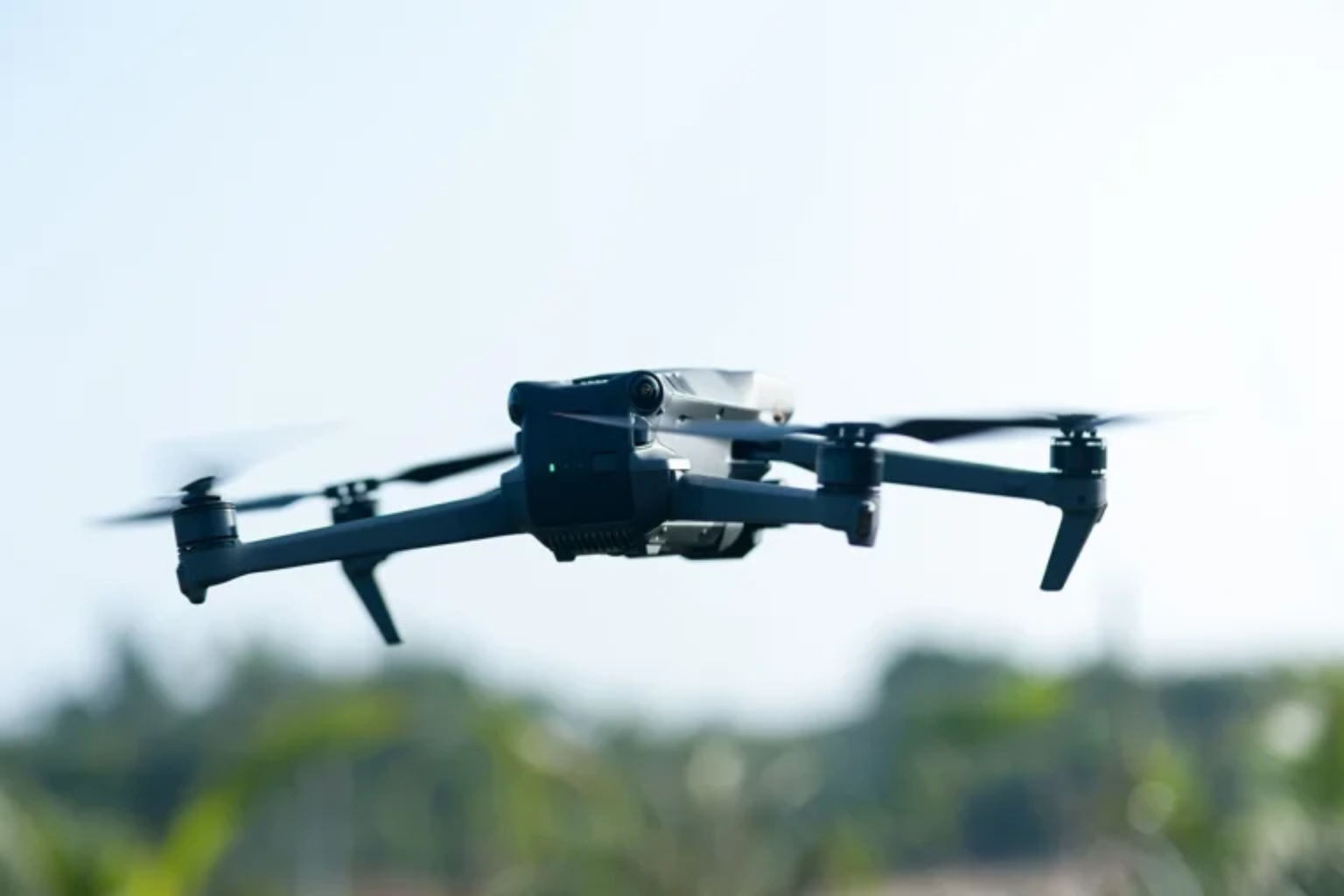
Unmanned Aerial Vehicles (UAVs) have become an essential part of industries ranging from agriculture and construction to defense and environmental monitoring. As their roles expand, the demand for stronger, lighter, and more efficient aircraft continues to grow. Traditional materials like aluminum still have their place, but they often struggle to meet the performance expectations of next-generation drones.
That’s where composite technology enters the picture.
Why Weight Matters More Than You Think
Anyone who has worked with drones understands a simple truth: every gram matters.
A lighter UAV can stay airborne longer, consume less energy, carry larger payloads, and operate more efficiently. Even small reductions in structural weight can significantly improve flight performance.
Manufacturers have spent years searching for materials that provide maximum strength without adding unnecessary mass. The solution has largely been found in UAV Composite Materials, which combine multiple substances to create a structure that performs better than traditional metals in many applications.
The result is a drone that can fly farther, remain stable under challenging conditions, and deliver better overall efficiency.
Strength Without the Bulk
One of the biggest advantages of composite materials is their impressive strength-to-weight ratio.
Carbon fiber composites, for example, are remarkably strong while remaining exceptionally lightweight. This allows engineers to design UAV frames that can withstand vibration, wind loads, and repeated operational stress without becoming excessively heavy.
In practical terms, this means fewer structural failures, longer service life, and reduced maintenance costs. For organizations operating fleets of drones, these benefits quickly add up.
Interestingly, composites also allow for greater design flexibility. Unlike metal components that often require multiple joints and fasteners, composite parts can be molded into complex shapes. Fewer joints generally translate into fewer weak points.
Better Performance in Harsh Environments
Drones don’t always operate in ideal weather.
Some are deployed in coastal regions with high salt exposure. Others work in deserts, forests, mountains, or industrial zones where environmental conditions can be unforgiving.
Traditional metals are vulnerable to corrosion over time, particularly when exposed to moisture or chemicals. Composite materials offer excellent resistance to many of these challenges.
This durability is one reason aerospace manufacturers increasingly rely on advanced composites for critical UAV structures. The ability to maintain performance under demanding conditions makes them especially valuable for long-term operations.
Fuel Efficiency and Longer Flight Times
Battery life remains one of the most significant limitations in drone technology.
Even with advances in battery chemistry, flight endurance is still heavily influenced by aircraft weight. A lighter drone requires less energy to stay airborne, allowing operators to extend mission durations without increasing battery size.
This is where composite construction provides a noticeable advantage. By reducing overall airframe weight, manufacturers can optimize energy consumption and improve operational efficiency.
For commercial operators performing inspections, surveying land, or monitoring infrastructure, those extra minutes of flight time can make a surprisingly large difference in productivity.
Supporting Innovation Across Industries
The adoption of composite materials isn’t limited to military or aerospace applications.
Agricultural drones use them to cover larger fields efficiently. Surveying drones benefit from improved stability and endurance. Emergency response teams rely on lightweight aircraft that can be deployed quickly when every second counts.
As technology evolves, the importance of UAV Composite Materials continues to grow. Engineers are experimenting with hybrid composites, advanced manufacturing methods, and new resin systems designed to deliver even better performance while reducing production costs.
What seemed like cutting-edge technology a decade ago is rapidly becoming the industry standard.
Looking Ahead
The future of UAV development will be shaped by many factors—artificial intelligence, automation, battery innovation, and advanced sensing technologies among them. Yet the materials used to build these aircraft will remain a critical piece of the puzzle.
Composite materials offer a compelling combination of strength, durability, flexibility, and lightweight performance that traditional materials often struggle to match. They help drones fly longer, carry more, and withstand tougher conditions, all while supporting increasingly sophisticated designs.
As UAV applications continue to expand around the world, composite technology is likely to remain at the heart of that progress. Sometimes the most important innovations aren’t the ones we immediately see. They’re the materials quietly making everything else possible.