
Author: 3xqg89

  • The Quiet Power of Looking After Your Equipment

    The Quiet Power of Looking After Your Equipment

    There’s a strange thing about machines, tools, and equipment. When they work perfectly, we hardly notice them. They hum along quietly in the background, doing their job without asking for attention. But the moment something goes wrong—well, suddenly everything stops. Work slows down, frustration creeps in, and you’re left wondering why the issue appeared out of nowhere.

    In reality, problems rarely appear out of thin air. Most mechanical or technical failures give small warning signs long before a breakdown occurs. A strange sound. A slight drop in performance. Maybe a vibration that wasn’t there before. These little hints are easy to ignore when everything else seems fine.

    That’s where a little foresight—and a bit of care—can make a huge difference.

    Why Maintenance Often Gets Ignored

    Let’s be honest. Maintenance isn’t exciting.

    It doesn’t feel urgent when the equipment is running well. Cleaning filters, tightening bolts, checking fluids—these tasks can seem unnecessary when there’s real work waiting to be done. Many people fall into the trap of “If it’s not broken, don’t fix it.”

    But experienced technicians know that this mindset can be costly. Waiting for something to break before taking action usually leads to larger repairs, expensive replacements, or unexpected downtime.

    Think of it like looking after your car. You don’t wait until the engine fails before changing the oil, right? The same logic applies to almost every type of equipment, whether it’s industrial machinery, HVAC systems, or even household appliances.

    Small Habits That Make a Big Difference

    Maintenance doesn’t always require complicated procedures or specialized tools. In many cases, simple habits can extend the life of equipment dramatically.

    Take cleaning, for example. Dust buildup can clog vents, reduce airflow, and cause overheating in many systems. Something as simple as wiping surfaces or clearing filters can prevent problems that might otherwise grow over time.

    Then there’s lubrication. Moving parts rely on smooth motion to function properly. Without proper lubrication, friction increases. Components wear down faster, and eventually, parts begin to fail. A few minutes spent applying lubricant at the right intervals can save hours of repair work later.

    Another overlooked step is visual inspection. Just looking closely at equipment can reveal loose components, worn belts, or minor leaks. These issues are much easier to address early than after they’ve caused more damage.

    Following basic regular maintenance tips can quietly extend equipment life and keep everything running smoothly without major interruptions.

    The Efficiency Factor

    There’s another side to maintenance that people sometimes forget: performance.

    When systems are neglected, they rarely operate at their best. Motors work harder, energy consumption rises, and productivity slowly declines. The change is usually gradual, so it’s easy to overlook.

    But once equipment receives proper care—cleaned filters, calibrated settings, properly aligned parts—performance improves almost immediately.

    Businesses that prioritize maintenance often notice that machines run smoother and require less energy. In other words, routine care doesn’t just protect equipment; it can actually improve efficiency in ways that directly impact operating costs.

    It’s a subtle but powerful advantage.

    The Hidden Cost of Unexpected Failures

    Imagine a factory line stopping suddenly because one component failed. Production halts. Deadlines get pushed back. Workers wait around while technicians scramble to identify the problem.

    The cost of that downtime often exceeds the cost of preventive maintenance many times over.

    Unexpected failures also have a ripple effect. Replacement parts might not be immediately available. Emergency repairs tend to be more expensive. And sometimes, a small broken component can damage other parts nearby.

    Preventive care helps businesses prevent breakdowns before they escalate into larger operational problems.

    In many industries, reliability isn’t just convenient—it’s essential.

    Creating a Maintenance Mindset

    Developing a culture of maintenance doesn’t require complicated systems. Often, it begins with awareness.

    Teams that regularly check equipment, document observations, and address small issues early tend to experience fewer disruptions. A simple checklist or routine schedule can go a long way toward keeping systems healthy.

    Training also plays a role. When operators understand how equipment works and what warning signs look like, they become the first line of defense against potential failures.

    Over time, these small habits create a maintenance mindset—one where prevention becomes part of everyday operations rather than an afterthought.

    When Professional Help Matters

    Of course, not every issue can be handled with basic checks.

    Complex systems often require professional technicians for calibration, detailed inspections, or specialized repairs. Scheduling periodic expert servicing can uncover deeper issues that might not be visible during routine checks.

    Professionals bring experience and diagnostic tools that help identify hidden wear, electrical faults, or alignment problems before they lead to major breakdowns.

    Think of it as a deeper level of protection.

    The Long-Term Payoff

    At first glance, maintenance can feel like an extra task added to an already busy schedule. But over time, its value becomes obvious.

    Equipment lasts longer. Repairs become less frequent. Operations run more smoothly.

    More importantly, the stress of sudden failures starts to disappear.

    There’s a quiet confidence that comes from knowing your systems are being looked after properly. Work continues uninterrupted, productivity stays consistent, and you avoid those late-night emergency repairs that no one enjoys.

    In the end, maintenance isn’t really about fixing problems.

    It’s about preventing them in the first place—and giving the tools we rely on every day the care they deserve.

  • Why Clean Water at Home Matters More Than We Often Realize

    Why Clean Water at Home Matters More Than We Often Realize

    There’s something oddly comforting about turning on the tap and hearing water rush into the sink. It’s such a small, everyday moment that most of us barely think about it. We drink it, cook with it, wash dishes in it, and trust that it’s safe. But every now and then, you might notice something a little off — maybe a faint metallic taste, a cloudy appearance, or even mineral buildup around your faucet. Those small signs often hint at a bigger story about the water flowing through our homes.

    For many households, improving water quality isn’t just about taste. It’s about health, comfort, and protecting the systems we rely on daily. Clean water affects far more aspects of daily life than most people realize, and the benefits of addressing water quality can ripple through a household in surprisingly meaningful ways.

    The Hidden Journey of Tap Water

    Water doesn’t magically appear in your kitchen faucet. Before it reaches your home, it travels through an intricate network of pipes, treatment facilities, and storage systems. Municipal water treatment plants do a great job meeting safety regulations, but by the time water travels miles through aging pipelines, its quality can change.

    Old plumbing infrastructure can introduce minerals, sediments, and even small particles into the water supply. In some areas, groundwater naturally carries elements like iron, calcium, or sulfur. These aren’t always dangerous, but they can certainly affect how water tastes, smells, and interacts with appliances and plumbing.

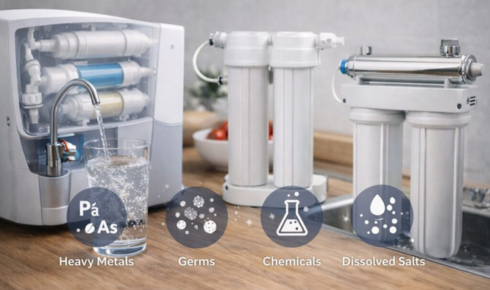
    That’s why many homeowners explore ways to remove contaminants before the water is used throughout the house. Filtration systems, softeners, and purification technologies have become increasingly common, not because people distrust public utilities, but because they want an extra layer of control over the water they use every day.

    Small Changes That Make a Big Difference

    It’s easy to underestimate the effect water quality can have on daily routines. Think about something as simple as brewing a cup of coffee. If the water carries excess minerals or chlorine, it subtly changes the taste. The same thing happens with tea, soups, pasta, and almost anything cooked with water.

    Then there’s the effect on skin and hair. Hard water, which contains high levels of calcium and magnesium, can leave residue that makes soap harder to rinse off. People often describe their skin feeling dry or their hair feeling dull after showers. While these issues might seem minor, they add up over time.

    Improving water quality can lead to healthier household water, something that families appreciate not just in drinking glasses but also in cooking, bathing, and even cleaning. The difference can feel subtle at first, yet over weeks or months it becomes part of a more comfortable, healthier routine.

    Your Appliances Notice the Difference Too

    Water doesn’t just pass through our bodies; it passes through nearly every appliance in our homes. Dishwashers, washing machines, water heaters, and even coffee makers rely on a steady flow of water to function properly.

    Hard water minerals can accumulate inside these appliances, forming scale that reduces efficiency and shortens their lifespan. If you’ve ever seen a chalky white buildup on a kettle or showerhead, that’s the same mineral scaling happening inside pipes and machines — just hidden from view.

    Over time, scale buildup forces appliances to work harder. Water heaters may require more energy to heat water, dishwashers might leave spots on glasses, and washing machines can struggle to rinse detergent effectively.

    That’s why many homeowners look for solutions that support appliance protection, helping machines run efficiently for longer. It’s not just about avoiding repairs; it’s also about maintaining performance and reducing energy consumption over time.

    The Comfort of Consistency

    There’s a subtle but powerful benefit that comes with improving water quality: consistency. When water quality fluctuates, you might notice soap behaving differently, clothes fading faster, or dishes developing streaks after washing.

    Consistent water quality means everyday tasks become predictable. Laundry feels softer, dishes come out clearer, and showers feel more refreshing. It’s a quiet improvement — not dramatic, not flashy — but it changes the overall experience of living in a home.

    And honestly, that kind of reliability matters. Life is complicated enough without wondering why your kettle suddenly smells odd or why your dishwasher is leaving residue again.

    Choosing the Right Approach

    Water quality solutions vary widely depending on location and household needs. Some homes benefit from simple carbon filters that reduce chlorine and odors, while others may require water softeners to manage mineral content. In areas with specific contaminants, advanced filtration or reverse osmosis systems might be the right choice.

    The key is understanding your local water conditions. A basic water test can reveal mineral levels, sediment presence, and other characteristics that influence which treatment methods will work best.

    It’s not about installing the most complex system available. Often, the smartest approach is the one tailored specifically to your home’s water supply and daily usage patterns.

    A Quiet Investment in Everyday Living

    Clean water rarely gets the attention it deserves. Unlike new furniture or a fresh coat of paint, you can’t always see the improvement right away. Yet the benefits quietly weave themselves into daily life — better-tasting meals, smoother showers, longer-lasting appliances, and peace of mind about what your family is consuming.

    In many ways, improving household water quality is less about solving a problem and more about creating a better environment for everyday living. It’s a decision that touches nearly every moment in the home, from morning coffee to late-night dishwashing.

  • The Benefits of Hiring Hardscape Companies Near Me for Patios

    The Benefits of Hiring Hardscape Companies Near Me for Patios

    A well-built patio creates space for gatherings, outdoor meals, and quiet evenings without constant repairs. Many homeowners searching for hardscape companies near me quickly realize that professional installation often determines how well a patio performs over time.

    Proper Base Preparation That Keeps Patios Level for Years

    Every lasting patio begins beneath the surface. Soil must be excavated to the proper depth, compacted carefully, and layered with the right base materials before a single paver is placed. Hardscape contractors near me typically build a stable foundation using crushed stone or gravel that supports the patio while allowing water to move through the base. Improper preparation often leads to settling or shifting stones within a few seasons. Experienced hardscapers near me understand how soil conditions affect base construction and compaction levels. Their approach ensures the patio remains level even after years of foot traffic and changing weather conditions.

    Accurate Grading That Directs Water Away from the Patio

    Water control plays a major role in the longevity of any patio surface. If the surrounding grade slopes toward the patio, rainwater can collect between pavers or against nearby structures. Professional hardscape contractors Huntsville AL pay close attention to the slope of both the patio and the surrounding yard. A properly graded patio moves water gently away from the structure and toward natural drainage areas. Skilled hardscaping near me teams measure slope carefully so water flows in the right direction without creating puddles or erosion problems nearby.

    Clean Paver Alignment That Improves the Finished Look

    A well-designed patio looks organized and balanced because each stone fits precisely with the next. Straight lines, consistent spacing, and symmetrical patterns all contribute to the finished appearance. Hardscape companies near me use layout techniques and string guides that keep pavers aligned during installation. Small alignment errors can become noticeable across a large patio surface. Professional hardscapers near me take time to check spacing and pattern consistency while placing each row of pavers. The result is a surface that appears clean, organized, and visually appealing from every angle.

    Strong Edge Restraints That Hold Patio Stones in Place

    Edge restraints provide the structure that keeps patio stones from spreading outward over time. Without these supports, the outer rows of pavers may gradually shift as people walk across the surface. Hardscape contractors near me install rigid edging materials along the patio perimeter.

    These restraints lock the paver system together and maintain the intended shape of the patio. Reliable hardscaping near me professionals secure the edges firmly so the patio remains stable even with regular use and seasonal temperature changes.

    Efficient Project Timelines from Experienced Crews

    Patio construction involves several steps including excavation, grading, base installation, and paver placement. Crews with experience understand how to move through these stages efficiently without sacrificing accuracy. Hardscape companies near me often complete projects faster because their teams follow organized workflows. A trained crew can anticipate challenges before they slow the project down. Hardscape contractors Huntsville AL often coordinate equipment, materials, and labor so each phase flows smoothly into the next.

    Access to Professional Grade Tools and Equipment

    Professional patio construction requires specialized equipment that helps ensure accuracy and durability. Plate compactors, masonry saws, and grading tools all play a role in shaping the finished surface. Hardscapers near me rely on these tools to prepare the site and install pavers precisely.

    The difference between basic tools and professional equipment often shows in the finished product. Hardscape contractors near me use machines designed for landscape construction, allowing them to achieve tighter joints and stronger base compaction.

    Knowledge of Materials Suited for Local Soil Conditions

    Not every patio material performs the same in every region. Soil type, rainfall patterns, and temperature swings all influence which materials work best. Hardscape companies near me understand which pavers, base layers, and edging systems perform well in local conditions.

    This local knowledge helps prevent problems such as shifting stones or drainage failures. Experienced hardscaping near me professionals select materials that can withstand the specific environmental conditions of the area.

    Consistent Workmanship Across the Entire Patio Surface

    Uniform craftsmanship gives a patio its professional appearance. Each section must follow the same grading, alignment, and spacing standards from start to finish. Hardscape contractors Huntsville AL pay attention to these details so the entire patio surface looks balanced.

    Consistency requires patience and technical skill during installation. Hardscapers near me often check their work repeatedly during construction to maintain a uniform pattern and surface height across the entire area.

    Long Lasting Results Built with Proven Installation Methods

    Durable patios are rarely the result of shortcuts. The most reliable outdoor surfaces come from installation methods developed through years of field experience. Hardscape contractors near me follow these established practices to ensure long-term stability.

    Professionals involved in hardscaping near me understand how each step contributes to the overall performance of the patio. Their installation methods focus on durability so the finished space continues to look strong and level over time.

    Reliable outdoor construction often begins with skilled professionals who understand both design and installation. Many homeowners turn to experienced teams such as Legacy Outdoor Services for guidance when planning durable patio spaces. Professional support can help ensure the finished patio provides years of comfortable outdoor living.

  • Benefits of Installing a Vapor Barrier in Your Crawl Space

    Benefits of Installing a Vapor Barrier in Your Crawl Space

    Quiet spaces beneath homes often influence indoor comfort more than many homeowners realize. Moisture rising from the ground can slowly affect air quality, wood framing, and insulation if it is left unmanaged. A properly installed vapor barrier helps control that moisture and plays an important role in protecting the entire crawl space environment.

    What a Vapor Barrier Does Inside a Crawl Space

    A vapor barrier acts as a protective layer placed over exposed soil inside a crawl space. This material, usually a thick plastic liner, blocks water vapor from rising through the ground and entering the air beneath the house. Without this barrier, moisture from the soil naturally moves upward and settles around floor framing and insulation. Homeowners searching for crawl space repair near me often discover that controlling ground moisture is one of the first steps toward improving the condition of the crawl space. A vapor barrier creates a physical separation between damp soil and the structural components above it. That separation helps keep the crawl space drier and more stable throughout changing seasons.

    Why Experts Recommend Vapor Barriers for Crawl Spaces

    Many crawl spaces were originally built with exposed soil floors, especially in older homes. While this design allowed for ventilation, it also left the space vulnerable to humidity and damp conditions. Over time, moisture accumulation can contribute to wood deterioration and poor air quality. Professionals involved in crawl space repair in Huntsville AL frequently recommend vapor barriers because they address this problem at its source. By sealing off the soil surface, the barrier reduces the amount of moisture that enters the crawl space environment. This step often becomes part of broader crawl space waterproofing near me solutions designed to maintain a healthier foundation area.

    How a Vapor Barrier Helps Control Ground Moisture

    Soil naturally contains moisture that fluctuates with rainfall, groundwater levels, and seasonal temperature changes. Without a protective barrier, this moisture evaporates into the crawl space air and gradually spreads throughout the area beneath the home. Ground vapor control becomes much easier once a vapor barrier is installed. The barrier prevents moisture from escaping into the air, which keeps humidity levels more stable. Many crawl space repair contractors use this method to limit dampness before addressing other structural or waterproofing improvements.

    The Role of Vapor Barriers in Protecting Floor Framing

    Wood framing beneath a house supports the entire flooring system above. Beams, joists, and subfloor materials remain vulnerable to long-term moisture exposure when crawl spaces stay damp. Even small increases in humidity can encourage mold growth or wood weakening over time. Installing a vapor barrier helps protect these structural elements by reducing moisture contact. Crawl space repair contractors often emphasize this step because dry wood lasts longer and performs more reliably. A controlled environment beneath the house supports the strength of the floor system for many years.

    Vapor Barriers Help Reduce Damp Crawl Space Air

    Humidity inside a crawl space does not remain isolated beneath the home. Air from that area can slowly move upward through small gaps in flooring or duct systems. This transfer may contribute to musty odors or increased indoor humidity levels. Lower moisture levels beneath the home often improve overall indoor air conditions. Many homeowners looking for crawl space waterproofing near me notice a difference once vapor barriers are installed and humidity decreases. The crawl space becomes less damp, which helps reduce moisture circulation through the house.

    What Moisture Problems a Vapor Barrier Can Prevent

    Excess moisture inside crawl spaces can lead to a variety of structural and environmental concerns. Mold growth, insulation damage, and wood decay often begin when damp conditions persist for long periods. These problems may develop slowly and remain unnoticed until repairs become more extensive.

    A vapor barrier reduces the risk of these issues by limiting the amount of moisture entering the crawl space. Specialists handling crawl space repair in Huntsville AL frequently include vapor barrier installation as part of preventative maintenance. Addressing moisture early helps prevent conditions that could affect both the structure and the indoor environment.

    What Proper Installation Means for Crawl Space Protection

    Effective vapor barrier performance depends heavily on how the material is installed. The liner must cover the soil completely, extend toward foundation walls, and seal around obstacles such as piers or plumbing lines. Gaps or loose sections can allow moisture to bypass the barrier.

    Professional crawl space repair contractors understand how to install the barrier securely so it performs as intended. Careful installation ensures the material remains in place and continues protecting the crawl space against rising ground moisture. Homeowners searching crawl space repair near me often rely on experienced professionals to complete this step correctly.

    Kennedy and Sons provides professional solutions designed to control moisture and protect crawl space environments beneath homes. Their team evaluates crawl space conditions carefully and recommends services that help keep the foundation area dry and structurally sound. Through their services, they help homeowners maintain healthier and more stable spaces beneath their homes.

  • How Immigration Courts Use Case Timelines to Track Legal Proceedings

    How Immigration Courts Use Case Timelines to Track Legal Proceedings

    Immigration court cases often unfold over several stages, with hearings, filings, and procedural steps occurring over time. To keep these matters organized, courts rely on structured case timelines. These timelines help track when documents are filed, when hearings occur, and how the case progresses from start to finish.

    A clear timeline allows immigration judges and legal representatives to understand the sequence of events within a case.What a Case Timeline Represents

    A case timeline is a chronological outline of important events that occur during immigration proceedings. It helps document each stage of the process and provides a clear record of when certain actions took place.

    Typical elements included in a case timeline may involve:

    • The issuance of the Notice to Appear
    • Scheduling of initial hearings
    • Submission of legal filings and evidence
    • Additional procedural hearings
    • The final decision issued by the immigration judge

    Tracking these steps helps maintain an organized record of the case.Why Timelines Matter in Immigration Cases

    Immigration cases can involve multiple filings, deadlines, and court appearances. Maintaining a timeline allows the court to monitor whether each step is completed within the required timeframe.

    Timelines also help attorneys and individuals involved in the case prepare for upcoming hearings or submission deadlines.

    By clearly outlining the sequence of events, timelines help ensure that the legal process remains structured and manageable.Case Timelines and Court Scheduling

    Immigration courts handle many cases at the same time, making scheduling an important part of case management. By reviewing the timeline of each case, the court can determine when additional hearings are necessary and whether deadlines have been met.

    This structured approach helps the court manage its schedule efficiently while ensuring that each case receives proper attention.

    Timelines also help identify delays or procedural issues that may need to be addressed.How Timelines Support the Appeals Process

    If a case proceeds to the appeals stage, the timeline becomes part of the procedural history reviewed by appellate authorities. The Board of Immigration Appeals (BIA) examines the case record to determine how the proceedings developed over time.

    Understanding the sequence of events can help clarify how legal decisions were reached and whether proper procedures were followed.

    The timeline therefore contributes to the transparency of the review process.Federal Court Review of Immigration Detention

    In certain immigration cases, individuals remain in detention while their legal matters continue. When detention lasts for extended periods, federal courts may review whether the custody is lawful. Individuals facing this situation sometimes seek guidance from a Habeas Corpus Lawyer to determine whether filing a petition requesting federal court review of the detention may be appropriate.

    These legal proceedings focus on detention issues rather than the timelines used to track immigration court cases.Why Organized Case Tracking Is Important

    Tracking the progress of immigration cases through timelines helps courts maintain clear records and manage complex legal proceedings effectively. By documenting each stage of the case, the court ensures that important procedural steps are not overlooked.

    This structured record also helps maintain consistency and transparency throughout the legal process.Conclusion

    Case timelines play an important role in organizing immigration court proceedings. By documenting hearings, filings, and decisions in chronological order, timelines provide a clear overview of how a case progresses through the legal system.

    Through careful tracking of these events, immigration courts can manage cases efficiently while preserving a complete record for future reference or review.

  • The Power of Review Management and Reputation Monitoring for Modern Businesses

    The Power of Review Management and Reputation Monitoring for Modern Businesses

    In today’s digital marketplace, online perception can determine whether a customer chooses your business or a competitor. Reviews on platforms like Google, social media, and industry directories influence buying decisions more than traditional advertising. That’s why review management has become an essential strategy for businesses aiming to grow, protect their brand, and maintain customer trust.

    Consumers actively read reviews before making purchasing decisions. A company with consistent positive feedback appears reliable and professional, while unanswered negative comments can damage credibility. Effective review strategies not only enhance brand image but also improve search engine visibility.

    Why Review Management Matters More Than Ever

    Online reviews directly impact search rankings and click-through rates. Search engines prioritize businesses with recent, relevant, and high-quality reviews. This means companies that invest in review management Netherlands strategies can gain a competitive advantage in local and national markets.

    Managing reviews involves more than simply responding to comments. It includes:

    • Encouraging satisfied customers to leave feedback
    • Responding professionally to both positive and negative reviews
    • Monitoring review platforms consistently
    • Analyzing trends to improve customer experience

    By taking a proactive approach, businesses can turn customer feedback into valuable insights and marketing opportunities.

    Building Trust Through Reputation Monitoring

    A brand’s online reputation is constantly evolving. New reviews, social mentions, and forum discussions can influence public perception at any time. This is where reputation monitoring becomes critical.

    Reputation monitoring involves tracking online conversations, mentions, and ratings across digital channels. It allows businesses to identify potential issues early and address them before they escalate. Quick responses demonstrate transparency and accountability, two qualities that modern consumers highly value.

    For example, if a negative review appears regarding service quality, a timely and thoughtful response can reassure both the reviewer and future customers. In many cases, resolving complaints publicly can strengthen trust rather than weaken it.

    The Dutch Market and Online Reviews

    In the Netherlands, digital adoption is high, and consumers rely heavily on online reviews before making purchases. From restaurants and healthcare providers to e-commerce platforms and service businesses, reviews significantly influence buying behavior.

    Implementing a localized review strategy ensures businesses connect with Dutch consumers effectively. Companies operating in this region benefit from understanding local review platforms, cultural expectations, and customer communication preferences.

    By focusing on structured review management in the Netherlands, businesses can enhance their visibility in local search results, increase customer engagement, and build long-term loyalty.

    Turning Reviews into Growth Opportunities

    Customer reviews are more than feedback—they are free market research. Businesses that analyze recurring comments can identify strengths and areas for improvement. For instance, repeated praise about customer service highlights a strong selling point, while consistent complaints about delivery times signal operational issues that need attention.

    Positive reviews can also be repurposed for marketing. Featuring testimonials on websites, social media, and promotional materials strengthens credibility. Authentic customer voices are often more persuasive than branded messaging.

    Additionally, responding to reviews improves customer retention. When customers feel heard and valued, they are more likely to return and recommend the business to others.

    Best Practices for Effective Review Management

    To maximize impact, businesses should adopt structured review processes:

    1. Automate review requests after purchases or service completion.
    2. Respond within 24–48 hours to demonstrate attentiveness.
    3. Maintain a professional tone, even when handling criticism.
    4. Track performance metrics, including average rating and review volume.
    5. Integrate monitoring tools to receive real-time alerts.

    Consistency is key. Sporadic engagement can make a brand appear inattentive, while ongoing monitoring builds a strong and trustworthy digital presence.

    The Long-Term Impact on SEO and Brand Value

    Search engines reward active engagement and fresh content. Reviews contribute user-generated content that boosts keyword relevance and improves local SEO performance. Businesses with high ratings and frequent responses often rank higher in search results.

    Beyond search visibility, a well-managed online reputation increases overall brand value. Investors, partners, and potential employees frequently research company reviews before making decisions. A strong digital reputation enhances credibility across all stakeholder groups.

    Conclusion

    In an era where consumers rely on online opinions, managing digital perception is no longer optional. Businesses that invest in structured review strategies and proactive monitoring can strengthen customer trust, improve search rankings, and drive sustainable growth.

    By embracing consistent review engagement and advanced reputation monitoring practices, companies position themselves as transparent, reliable, and customer-focused—qualities that define long-term success in today’s competitive digital environment.

  • Behind the Scenes: What Really Happens During a Vehicle Wrap Installation

    Behind the Scenes: What Really Happens During a Vehicle Wrap Installation

    From the outside, a freshly wrapped vehicle looks almost effortless. Smooth edges. Perfect alignment. A finish so seamless it feels factory-made. But if you’ve ever wondered how that transformation actually happens, the answer is simple: patience, precision, and a lot of behind-the-scenes work.

    Most people see the final result. Few see the hours leading up to it.

    And honestly, the real magic isn’t just in the design. It’s in the preparation and execution.

    It Starts Long Before the Vinyl Touches the Car

    A professional wrap installation process doesn’t begin with laying down vinyl. It begins with planning.

    Designers adjust artwork to match the exact contours of the vehicle model. Door handles, curves, seams, mirrors—every element must be considered. A graphic that looks great on a flat screen might distort awkwardly on a curved fender if not properly adapted.

    Measurements are checked. Panels are mapped. Edges are accounted for. It’s meticulous work.

    Then comes the most underestimated phase of all: cleaning.

    The Importance of Surface Preparation

    If there’s one step that determines the longevity of a wrap, it’s preparation.

    Proper surface prep means more than a quick rinse at the car wash. Technicians thoroughly wash, degrease, and sometimes clay-bar the vehicle to remove contaminants invisible to the eye. Even tiny particles can create bubbles or prevent adhesion.

    Old wax residue? Gone. Road grime? Removed. Any loose trim or badges that interfere with the wrap may be taken off temporarily.

    Skipping preparation is like painting over dust—it might look fine for a week, but problems will surface.

    The goal is a perfectly clean, smooth foundation. Because vinyl adheres best when nothing stands in its way.

    Controlled Environment Matters

    Temperature and humidity play a role too.

    Professional installers typically work indoors, in climate-controlled spaces. Vinyl behaves differently depending on environmental conditions. Too cold, and it becomes stiff. Too hot, and it stretches too easily.

    Consistency helps ensure precision.

    This is one reason DIY wrap attempts sometimes fail. A driveway on a windy afternoon simply isn’t the same as a controlled shop environment.

    The Application Begins

    Once the vehicle is prepped and positioned, the vinyl application begins panel by panel.

    The film is carefully aligned before any adhesive is fully activated. Installers often tack it lightly in place first, checking alignment multiple times before committing.

    Heat guns and squeegees become essential tools. Heat softens the vinyl, allowing it to conform to curves and contours. Squeegees smooth out air pockets, ensuring tight adhesion.

    There’s a rhythm to it. Apply. Smooth. Heat. Adjust.

    The key is balance—stretching enough to fit curves without over-stretching and weakening the material.

    Breaking Down the Installation Steps

    While every vehicle presents unique challenges, most professionals follow consistent installation steps to maintain quality.

    First, larger, flatter panels like doors and hoods are wrapped. These areas provide a stable starting point. Then come more complex sections—bumpers, mirrors, and recessed areas that require extra attention.

    Edges are trimmed precisely. Seams are sealed. Corners are tucked carefully to prevent lifting over time.

    Once all panels are applied, the entire vehicle undergoes a post-heating process. This step activates the adhesive fully and helps the vinyl “set” into its new shape.

    It’s not rushed. It can’t be.

    Attention to Detail Makes the Difference

    One of the most impressive aspects of professional installation is the detail work.

    Door handles are wrapped smoothly. Emblems are reattached precisely. Edges are inspected thoroughly.

    Even something as small as a misaligned stripe can throw off the entire visual balance.

    Installers often step back repeatedly, viewing the vehicle from multiple angles to ensure alignment and symmetry.

    Because in the end, it’s those details that separate a good wrap from a great one.

    Curing and Aftercare

    After installation, the vehicle isn’t quite ready for harsh conditions immediately. Most professionals recommend avoiding washing for several days to allow the adhesive to cure fully.

    Hand washing with gentle soap is typically advised. Automatic car washes, especially those with abrasive brushes, can shorten the lifespan of the wrap.

    With proper care, high-quality vinyl can last several years before needing replacement.

    Why Professional Installation Is Worth It

    Watching online tutorials might make wrapping look straightforward. And technically, it’s possible to attempt it yourself.

    But vehicles aren’t flat surfaces. They’re full of curves, seams, and complex shapes. One small mistake can mean wasted material and visible flaws.

    Professional installers bring experience. They understand how vinyl behaves under heat, how to prevent overstretching, and how to seal edges properly.

    It’s not just about sticking film onto metal—it’s about ensuring durability and aesthetics for the long haul.

    Final Thoughts: Craftsmanship You Can’t Always See

    When you see a beautifully wrapped vehicle cruising down the road, it’s easy to assume the transformation happened quickly.

    But the truth is, what you’re seeing is the result of careful planning, thorough preparation, and precise execution.

    From deep cleaning to final inspection, every stage of installation contributes to the final product.

    And that’s the beauty of it.

    The craftsmanship isn’t loud. It doesn’t demand attention. But it’s there—quietly holding everything together, mile after mile.

  • A Real-World Look at Softening, Balance, and Keeping Home Water Systems Healthy

    A Real-World Look at Softening, Balance, and Keeping Home Water Systems Healthy

    The Day You Start Questioning Your Tap Water

    For most of us, water is background noise. It runs when we cook, flows during showers, fills kettles without much thought. We rarely stop to think about it — until something changes.

    Maybe your skin starts feeling unusually dry after showers. Or you notice chalky residue on faucets that seems impossible to wipe away. Sometimes it’s subtler, like coffee tasting slightly off even though you didn’t change brands.

    That’s usually the point when curiosity begins. You don’t panic — you just start wondering.

    What exactly is in my water? Why does it feel different? And is there something simple I can do about it?

    These questions often lead homeowners toward exploring water softeners and filtration systems, sometimes for the first time.


    Why Hard Water Creates Everyday Frustrations

    Hard water is one of the most common household water concerns. It contains higher levels of calcium and magnesium — natural minerals picked up as water travels through soil and rock.

    While these minerals aren’t harmful to health, they can cause practical inconveniences.

    Soap doesn’t lather properly. Hair feels rougher after washing. Appliances accumulate scale buildup, reducing efficiency over time.

    Even cleaning becomes more frustrating because mineral deposits leave behind cloudy streaks on dishes and fixtures.

    This is why many homeowners begin researching softening systems once they recognize these patterns.


    The Growing Interest in Salt-Free Softening Systems

    Traditional water softeners use salt-based ion exchange to remove hardness minerals. But in recent years, salt-free alternatives have gained popularity.

    Many homeowners find themselves exploring the pros and cons salt-free softeners before deciding which system suits their needs.

    Salt-free systems don’t technically remove minerals; instead, they change their structure so they’re less likely to stick to surfaces. This can reduce scale buildup without requiring salt replenishment.

    However, they may not be as effective in areas with extremely hard water. For some households, the decision ultimately comes down to balancing convenience, maintenance preferences, and water conditions.

    Understanding these trade-offs helps homeowners choose solutions that align with their lifestyle rather than following trends blindly.


    Why Water Balance Matters Beyond Hardness

    While hardness often gets the most attention, another important factor influencing water quality is its pH level.

    The ph in water determines whether it is acidic, neutral, or alkaline.

    Water that is too acidic can corrode pipes and plumbing fixtures over time. On the other hand, excessively alkaline water may leave noticeable mineral deposits.

    Balanced pH helps maintain plumbing systems, supports filtration efficiency, and improves overall water taste.

    Most municipal water supplies aim for neutral pH levels, but variations can still occur depending on local environmental factors and infrastructure conditions.

    For homeowners seeking optimal water quality, monitoring pH can provide valuable insights.


    Understanding How Softening and Filtration Work Together

    Water softeners and filtration systems often serve different purposes, yet they work best when combined.

    Softening systems primarily address mineral hardness, while filtration systems target sediment, chlorine, and other impurities that affect taste and odor.

    When integrated properly, these systems create a comprehensive approach to water treatment.

    Homeowners often notice multiple benefits — smoother skin after showers, improved appliance performance, and better-tasting drinking water.

    This synergy makes combined systems increasingly popular among households seeking long-term solutions.


    The Importance of Regular System Care

    Installing a water treatment system is only the beginning. Like any household equipment, these systems require regular attention to maintain performance.

    Basic maintenance tips include replacing filters on schedule, checking salt levels in traditional softeners, and inspecting system components for wear.

    Neglecting maintenance can reduce effectiveness and allow mineral buildup or contaminants to return over time.

    Fortunately, many modern systems include automated indicators that simplify upkeep by providing timely reminders.

    With proper care, water treatment systems can provide consistent results for years.


    Everyday Benefits That Go Beyond Water Quality

    Improving water quality influences more than drinking habits.

    Softened water can extend the lifespan of appliances by preventing mineral scale buildup. Laundry often feels softer and requires less detergent.

    Cooking results may improve as well, since balanced water allows flavors to remain natural and consistent.

    These subtle changes collectively enhance daily routines, often in ways homeowners don’t fully appreciate until they experience them firsthand.


    Choosing the Right Approach for Your Home

    Selecting a water treatment solution depends largely on local water conditions and household priorities.

    Testing water quality is typically the first step. This helps identify issues such as hardness levels, pH imbalance, or sediment presence.

    From there, homeowners can evaluate system types, installation requirements, and maintenance commitments.

    Professional guidance can also help ensure optimal system performance and compatibility with existing plumbing.

    Making informed decisions helps maximize both efficiency and long-term value.


    Looking Ahead: The Future of Water Treatment

    Water treatment technology continues to evolve rapidly.

    Smart monitoring systems now allow homeowners to track water quality in real time through mobile applications. New filtration materials are improving efficiency while reducing environmental impact.

    There’s also growing emphasis on sustainability, with systems designed to minimize water waste and energy consumption.

    These innovations promise to make comprehensive water treatment more accessible and convenient in the years ahead.


    A Quiet Upgrade That Improves Daily Living

    Water may seem like the simplest part of home life, yet its quality quietly influences countless daily experiences.

    From reducing cleaning frustrations to improving comfort and protecting appliances, effective water treatment solutions offer practical benefits that extend far beyond drinking.

  • The Final Step of Healing: How Surgical Closure Techniques Quietly Shape Recovery

    The Final Step of Healing: How Surgical Closure Techniques Quietly Shape Recovery

    Where Surgery Truly Ends — and Healing Begins

    Most people think of surgery in dramatic terms. The operation itself. The careful incisions. The precision work inside the body. But what often gets overlooked is something surprisingly simple — how the body is closed afterward.

    And yet, this final step matters immensely.

    The way tissues are secured at the end of a procedure can influence everything from healing speed to infection risk, scarring, and overall recovery. It’s a detail that rarely gets attention outside medical circles, but for surgeons, it’s one of the most critical decisions during any operation.

    Because, in many ways, surgery doesn’t truly end until the body is safely and properly closed.


    Why Closure Techniques Matter More Than People Realize

    Closing an incision isn’t just about bringing edges together. It’s about restoring stability, protecting internal structures, and creating the best possible environment for healing.

    Surgeons must consider multiple factors when choosing closure methods — tissue type, wound location, patient health, and even how much tension exists across the surgical site.

    This is where the careful balance between staples and sutures becomes important.

    Each method offers unique advantages. Sutures provide flexibility and precision, allowing surgeons to adjust tension carefully. Staples, on the other hand, offer speed and consistency, especially in procedures where time efficiency is critical.

    The choice isn’t random — it’s a thoughtful decision based on what will best support the patient’s recovery.


    The Role of Speed and Efficiency in Modern Surgery

    In certain procedures, particularly those involving larger incisions or high-risk environments, speed becomes an essential factor. The longer a surgical site remains open, the greater the risk of infection and complications.

    This is where surgical staples have proven incredibly valuable.

    These tiny metal clips allow surgeons to close wounds quickly and securely. Applied using specialized devices, they create consistent spacing and tension along the incision line.

    What makes surgical staples particularly effective is their reliability. They provide strong wound closure while minimizing tissue handling, which can reduce inflammation and promote faster healing.

    For many patients, staple closures also mean shorter operation times and quicker postoperative recovery.

    It’s a practical solution that balances efficiency with safety.


    Precision and Flexibility in Tissue Repair

    While staples offer speed, there are many situations where a more tailored approach is necessary. Some tissues require delicate handling, precise tension control, and gradual healing support.

    This is where suture materials play a crucial role.

    Sutures come in a wide variety of types — absorbable and non-absorbable, synthetic and natural, braided and monofilament. Each is designed for specific medical applications, from closing internal organs to securing skin incisions.

    The flexibility of sutures allows surgeons to customize closure techniques based on the patient’s needs. They can adjust spacing, tension, and knot placement to ensure optimal healing conditions.

    In many ways, suturing is as much an art as it is a technical skill. It requires patience, steady hands, and a deep understanding of tissue behavior.


    The Human Skill Behind Closure Techniques

    Despite advances in surgical technology, closure methods still rely heavily on human expertise.

    Surgeons must evaluate wound characteristics, anticipate healing patterns, and choose techniques that balance strength with minimal tissue trauma.

    There’s also a tactile element involved. Experienced surgeons develop a feel for how tissues respond during suturing or stapling, allowing them to make subtle adjustments in real time.

    This combination of technical knowledge and intuitive skill plays a major role in successful surgical outcomes.

    It’s a reminder that even in highly technological environments, human judgment remains central to patient care.


    How Closure Methods Affect Recovery

    The method used to close a surgical wound can significantly influence recovery.

    Proper closure helps maintain wound stability, reducing the risk of reopening or infection. It also supports efficient tissue healing, which can minimize scarring and improve long-term results.

    For patients, this translates into tangible benefits — less discomfort, faster healing, and reduced likelihood of complications.

    Understanding this connection highlights why surgeons devote careful attention to closure decisions at the end of every procedure.

    It’s not just the final step — it’s the foundation for recovery.


    Advances in Surgical Closure Technology

    Over the years, closure techniques have continued to evolve.

    Modern staples are designed to minimize tissue trauma while providing secure fixation. Advanced suture materials now include antimicrobial coatings and enhanced strength properties.

    There’s also growing interest in innovative solutions such as tissue adhesives and bioengineered closure systems, which aim to further improve healing outcomes.

    These advancements reflect ongoing efforts to make surgical procedures safer, more efficient, and more patient-friendly.


    Looking Toward the Future of Surgical Healing

    The future of surgical closure may involve even more personalized approaches.

    Researchers are exploring smart materials that adapt to tissue changes during healing. Biodegradable staples and sutures may reduce the need for removal procedures.

    Artificial intelligence could also assist surgeons in selecting optimal closure techniques based on patient data and surgical conditions.

    These developments promise to further enhance recovery experiences for patients worldwide.


    A Quiet Yet Powerful Contribution to Healing

    For most patients, the end of surgery is marked by a sense of relief — the knowledge that the procedure is complete and recovery can begin.

    Few ever think about the meticulous work involved in closing their surgical wounds.

    Yet behind every successful operation lies careful attention to this final step. Staples and sutures work quietly, ensuring stability, protecting tissues, and supporting the body’s natural healing processes.

    They may seem simple, but their impact is profound.

    In the end, they represent something deeply human — the dedication to finishing what we start with care, precision, and an unwavering commitment to helping others heal.

  • Choosing the Right Expert Can Make or Break a Case — And It’s More Complicated Than It Looks

    Choosing the Right Expert Can Make or Break a Case — And It’s More Complicated Than It Looks

    If you’ve ever watched a courtroom drama, you probably noticed how much weight is placed on expert witnesses. They step in with authority, explain complicated issues, and sometimes — quietly, almost subtly — shift the direction of an entire case.

    But what most people don’t see is what happens long before that expert ever takes the stand.

    Behind the scenes, attorneys often spend weeks — sometimes months — searching for the right professional. It’s not just about credentials. It’s about timing, credibility, communication skills, and even availability. Choosing an expert is a delicate balancing act, and when things go wrong, the consequences can ripple throughout a case.

    In high-stakes litigation, expert selection isn’t just a procedural step. It’s a strategic decision with real risks attached.


    Why Expert Witnesses Are So Critical in Complex Cases

    In cases involving technical subjects — whether medical, engineering, financial, or scientific — jurors often rely heavily on expert testimony to understand the facts.

    Experts translate complicated concepts into language that makes sense. They interpret data, explain industry standards, and help courts evaluate whether actions aligned with professional expectations.

    Without that clarity, cases can become confusing or misinterpreted.

    That’s why selecting the right expert is never taken lightly.

    It requires careful vetting, thoughtful timing, and a clear understanding of how the expert’s insights will fit into the broader case narrative.


    The Often-Overlooked Challenge of Expert Availability

    One of the most common issues legal teams encounter isn’t about qualifications — it’s about logistics.

    Experts are typically active professionals with demanding careers. They may be practicing physicians, researchers, consultants, or industry leaders. Their schedules are often packed long before a legal case enters the picture.

    This is where expert availability risks come into play.

    If an expert cannot commit sufficient time to reviewing materials, preparing reports, or attending depositions and court appearances, even the most qualified professional may not be effective.

    Delays, scheduling conflicts, or limited preparation time can weaken testimony and disrupt case timelines.

    For legal teams, ensuring that an expert can fully engage with the case is just as important as evaluating their expertise.


    High-Stakes Litigation Requires Strategic Expert Planning

    In complex cases — particularly those involving large financial implications or significant reputational impact — expert selection becomes even more critical.

    These are often referred to as high exposure cases, where the outcome may affect not only individuals but organizations, industries, or public safety concerns.

    In these situations, expert testimony plays a central role in shaping a high exposure defense.

    Experts may need to evaluate technical data, assess industry practices, or explain complex processes to the court.

    Because of the stakes involved, legal teams must ensure that experts are not only knowledgeable but also capable of communicating clearly and confidently under scrutiny.

    Preparation, credibility, and reliability become key factors in building a strong defense strategy.


    Communication Skills Matter More Than Most People Realize

    It’s easy to assume that expertise alone determines an expert witness’s effectiveness.

    But technical knowledge isn’t enough.

    Experts must also communicate clearly, adapt their explanations to different audiences, and remain composed during cross-examination.

    Jurors may struggle to follow overly technical explanations, even when they’re accurate.

    That’s why communication skills often become a deciding factor in expert selection.

    An expert who can simplify complex concepts without losing accuracy can significantly strengthen a case’s clarity and persuasiveness.


    Common Mistakes in Expert Selection

    Selecting the wrong expert can create serious challenges.

    One of the most frequent problems involves insufficient vetting of an expert’s background, experience, or prior testimony history.

    This is where expert selection pitfalls can emerge.

    For example, an expert may have impressive credentials but limited courtroom experience, making them less effective under cross-examination.

    In other cases, an expert’s previous statements or publications may conflict with their current testimony, creating credibility concerns.

    Legal teams must carefully review an expert’s professional history, communication style, and prior legal involvement to avoid these potential issues.


    The Pressure Experts Face During Legal Proceedings

    Expert witnesses operate under intense scrutiny.

    Opposing attorneys often examine their credentials, challenge their methodologies, and question their conclusions.

    This pressure can be demanding, even for highly experienced professionals.

    Experts must remain objective, transparent, and consistent while defending their opinions.

    Their ability to handle this scrutiny often determines how jurors perceive their credibility.

    That’s why emotional resilience and professionalism are essential qualities in effective expert witnesses.


    Building a Collaborative Relationship With Experts

    Successful expert involvement doesn’t happen in isolation.

    Legal teams and experts must work collaboratively throughout the case.

    This includes reviewing evidence, preparing reports, discussing case strategies, and anticipating potential challenges.

    Clear communication and mutual understanding help ensure that experts can provide well-informed, confident testimony when needed.

    When collaboration is strong, expert insights can become a powerful tool in presenting complex information clearly.


    The Evolving Role of Experts in Modern Litigation

    As legal cases increasingly involve technical and scientific issues, the role of expert witnesses continues to expand.

    Courts rely on experts not only to interpret evidence but also to ensure that decisions reflect accurate, evidence-based understanding.

    This growing reliance underscores the importance of careful expert selection and preparation.

    Legal teams must navigate logistical challenges, communication considerations, and strategic factors when choosing the right professionals.


    A Thoughtful Ending: More Than Credentials Alone

    Selecting an expert witness is rarely as simple as choosing someone with impressive qualifications.

    It’s about finding a professional who can dedicate time, communicate effectively, withstand scrutiny, and contribute meaningfully to the case.

    Behind every expert testimony lies careful planning, thoughtful evaluation, and a deep understanding of both technical knowledge and human communication.