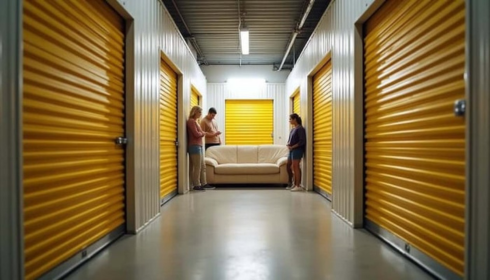
Subtle changes in the environment can quietly reshape wood furniture over time. Pieces that once fit perfectly may twist, crack, or separate as seasons shift and indoor conditions fluctuate. Climate controlled storage provides a stable setting that protects wood from these gradual but damaging changes.
Steady Humidity Levels That Limit Wood Fiber Expansion
Wood constantly absorbs and releases moisture from the air around it. In spaces without regulation, rising humidity causes wood fibers to swell, while dry air pulls moisture out and leads to shrinkage. Climate controlled storage maintains balanced humidity levels that slow these movements, helping furniture retain its original shape. Long-term exposure to consistent humidity is especially important for solid wood pieces. Cabinets, tables, and dressers stored in climate controlled storage experience fewer internal stresses, reducing the risk of warped panels or uneven surfaces that often develop during humid summers or dry winters.
Temperature Consistency That Reduces Joint Separation
Temperature swings can weaken joints over time. As wood expands with heat and contracts in cooler conditions, joints held together by pegs or interlocking designs may begin to loosen. Climate controlled storage keeps temperatures within a narrow range, minimizing this repeated expansion and contraction. Another benefit of stable temperatures is the protection of antique joinery techniques. Older furniture often relies on precise fits rather than modern fasteners, making it more vulnerable to shifting conditions. Storage units near me that offer temperature control help preserve these connections by reducing daily and seasonal stress.
Moisture Balance That Preserves Glued Connections
Glue bonds are sensitive to moisture changes. Excess humidity can soften adhesives, while overly dry air can cause them to become brittle. Climate controlled storage supports a balanced environment where glued joints remain secure and functional.
Over extended storage periods, this balance becomes even more valuable. Chairs, veneered surfaces, and decorative trim depend on adhesive strength to stay intact. Controlled conditions prevent slow bond failure that might otherwise go unnoticed until visible damage appears.
Controlled Airflow That Minimizes Surface Stress
Airflow plays a quiet but important role in furniture preservation. Stagnant air can trap moisture against surfaces, while uncontrolled drafts can dry wood unevenly. Climate controlled storage uses regulated airflow to distribute air gently and evenly throughout the space.
Consistent circulation helps prevent surface cracking and finish distortion. Furniture stored in balanced airflow environments avoids the patchy drying or moisture buildup that leads to stress points along edges and corners.
Seasonal Insulation Against Rapid Climate Shifts
Seasonal changes often bring sudden shifts in temperature and humidity. Furniture moved into non-regulated spaces may experience sharp environmental changes within days. Climate controlled storage acts as a buffer, insulating wood from abrupt shifts that cause internal tension.
This protection is particularly useful during transitions between seasons. By limiting exposure to rapid climate changes, storage units near me with controlled environments help furniture adjust gradually, reducing the risk of warping or splitting.
Stable Environments Preventing Panel Bowing
Wide panels, such as tabletops and cabinet doors, are especially prone to bowing. Uneven moisture absorption across a panel can cause one side to expand more than the other. Climate controlled storage reduces this imbalance by maintaining uniform conditions around the furniture. Over time, stable environments help panels remain flat and aligned. This is critical for large furniture pieces where even slight warping can affect functionality, appearance, and long-term value.
Reduced Swelling Along Grain Lines
Wood expands more across the grain than along it. In uncontrolled environments, this uneven expansion leads to swelling along grain lines, which can distort edges and cause visible ripples. Climate controlled storage minimizes moisture fluctuations that trigger this reaction.
Consistent conditions also protect intricate grain patterns. Decorative furniture with visible grain details benefits from reduced movement, preserving both structure and appearance throughout storage.
Finish Protection Through Regulated Conditions
Wood finishes serve as a protective layer, but they are not immune to environmental stress. High humidity can cause finishes to cloud or peel, while dry air may lead to cracking. Climate controlled storage supports finishes by keeping conditions within a safe range.
Over long periods, regulated environments help finishes age evenly. Furniture emerges from storage with fewer surface defects, preserving both visual appeal and protective qualities, a benefit often highlighted by Storage Partner.