precise installation
There’s something reassuring about turning on the kitchen tap and knowing the water is clean, consistent, and ready for whatever the day brings. We use water without really thinking about it—making coffee, washing vegetables, running the dishwasher, filling the dog’s bowl. It’s always there, quietly doing its job. That’s why it’s easy to overlook the importance of the equipment working behind the scenes.
Whether you’re installing a water softener, a filtration system, or a reverse osmosis unit, the quality of the installation often matters just as much as the equipment itself. Even the most advanced system can’t perform the way it’s designed to if it’s installed incorrectly. And honestly, that’s a lesson many homeowners only learn after dealing with leaks, poor water pressure, or expensive repairs.
Every Home Has a Different Water Story
No two homes receive exactly the same water. Even neighbours on the same street can notice differences depending on plumbing, household usage, and the condition of local infrastructure.
Some homes struggle with hard water that leaves stubborn mineral deposits on fixtures. Others battle chlorine taste, sediment, iron, sulfur, or other naturally occurring contaminants. Rural properties relying on well water often face an entirely different set of challenges than homes connected to municipal supplies.
Because of these differences, installing a water treatment system shouldn’t be treated as a one-size-fits-all project. Understanding your home’s water quality first helps ensure you’re solving the right problem instead of simply buying the most expensive equipment available.
The Installation Process Is More Than Connecting Pipes
At first glance, water treatment equipment can look fairly straightforward. Connect a few pipes, tighten a handful of fittings, plug the unit in, and you’re finished—right?
Not exactly.
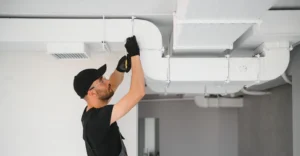
Proper installation involves evaluating water pressure, checking flow direction, confirming drain locations, sizing bypass valves, testing incoming water conditions, and ensuring every component works together efficiently. Small mistakes during installation can create problems that aren’t immediately obvious but become frustrating months later.
That’s why experienced technicians focus on precise installation rather than simply completing the job as quickly as possible. Taking extra time during setup helps prevent unnecessary issues while allowing the system to operate exactly as intended from day one.
Choosing Equipment That Matches Your Household
Bigger isn’t always better.
A family of two doesn’t necessarily need the same treatment capacity as a household with six people. Likewise, homes with high daily water usage require systems capable of keeping up without sacrificing efficiency.
Oversized systems may waste water or energy, while undersized units can struggle to meet demand during busy periods. Selecting equipment based on actual water usage creates a far better balance between performance, maintenance, and long-term operating costs.
A little planning at the beginning usually prevents expensive upgrades later.
Why Water Testing Should Come First
One of the most overlooked steps before purchasing filtration equipment is testing the water itself.
Without knowing exactly what’s present in your water supply, you’re mostly guessing. Hardness, pH levels, sediment, iron, manganese, chlorine, dissolved solids, and bacteria all require different treatment methods.
A thorough water analysis removes much of the uncertainty. Instead of relying on marketing claims or assumptions, homeowners can confidently choose equipment designed for their specific conditions.
That confidence often leads to better results and fewer disappointments after installation.
Good Maintenance Doesn’t Need to Be Complicated
Many people assume owning a water treatment system means constant maintenance. Thankfully, modern equipment has become much easier to care for.
Most systems simply require scheduled filter replacements, occasional inspections, and routine servicing based on manufacturer recommendations. Water softeners may need salt replenishment, while UV lamps require annual replacement to maintain effectiveness.
Keeping up with these basic tasks allows the equipment to continue providing reliable operation without unnecessary interruptions. Skipping maintenance, on the other hand, gradually reduces efficiency and may shorten the lifespan of valuable components.
Fortunately, many newer systems now include service reminders, making maintenance easier than ever.
Protecting More Than Just Drinking Water
When people think about water filtration, they usually picture cleaner drinking water. That’s certainly important, but it’s only part of the story.
Better water quality also protects plumbing systems, household appliances, water heaters, dishwashers, coffee machines, washing machines, and even clothing. Hard water minerals can slowly accumulate inside pipes and heating elements, forcing equipment to work harder while reducing overall efficiency.
Cleaner water also tends to leave fewer spots on dishes, softer laundry, smoother skin after showers, and less soap residue throughout the home.
Sometimes the biggest improvements aren’t dramatic—they’re simply noticed a little bit every day.
Avoiding Common Installation Mistakes
Even quality equipment can disappoint if basic installation details are overlooked.
Improper pipe sizing may reduce water pressure. Incorrect drain connections can cause backups. Poorly positioned shut-off valves make future servicing unnecessarily difficult. Inadequate pre-filtration may expose delicate components to sediment that shortens their lifespan.
These issues often develop slowly, making them harder to trace back to the original installation. Investing in careful planning upfront typically saves both money and frustration over the years.
It’s one of those situations where doing the job correctly once almost always costs less than fixing repeated problems later.
Thinking About Value Instead of Just Price
It’s natural to compare prices when shopping for water treatment equipment. But focusing only on the initial purchase price rarely tells the full story.
A properly selected and professionally installed system often reduces appliance repairs, lowers maintenance costs, improves energy efficiency, and decreases bottled water purchases. Those ongoing savings gradually offset much of the original investment.
More importantly, there’s peace of mind in knowing your household water is consistently being treated the way it should be.
That confidence is difficult to assign a dollar value to, yet many homeowners consider it one of the greatest benefits after installation.
A Smart Investment That Pays Off Every Day
Water quietly supports almost every routine in our homes, yet it’s easy to forget how much depends on its quality. From cooking family meals to taking a relaxing shower after work, reliable water treatment makes everyday living noticeably better without demanding constant attention.
When quality equipment is matched to the home’s needs, installed correctly, and maintained on schedule, it continues delivering long lasting performance year after year. The result isn’t just cleaner water—it’s fewer maintenance headaches, healthier plumbing, better appliance efficiency, and greater confidence every time you turn on the tap.
In the end, choosing the right water treatment solution isn’t simply about buying a system. It’s about investing in comfort, reliability, and the small everyday moments that quietly improve life at home.