Category: Home Services

  • HVAC Repair: Keeping Your Heating and Cooling System Running Efficiently

    HVAC Repair: Keeping Your Heating and Cooling System Running Efficiently

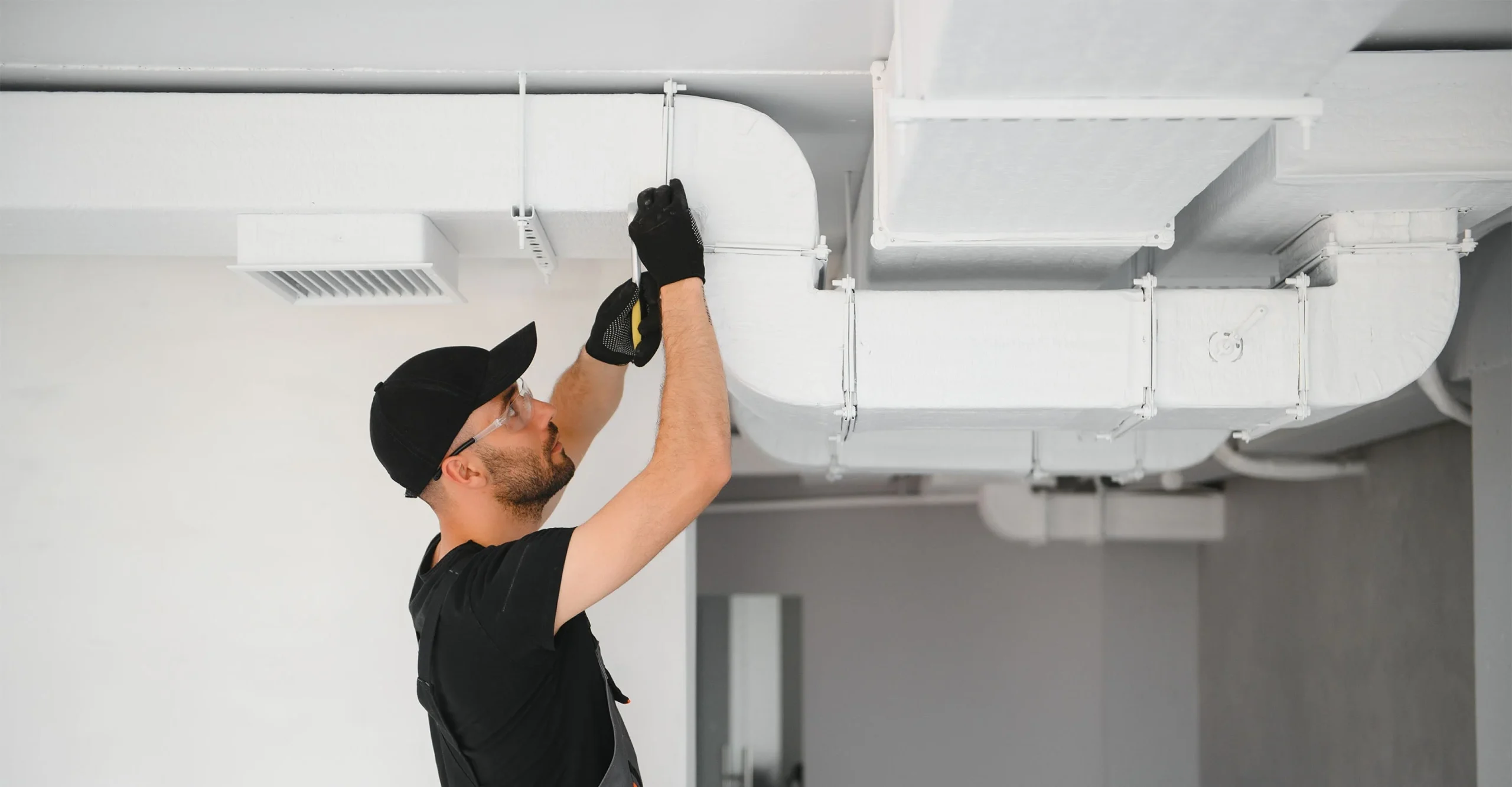
    A reliable heating and cooling system is essential for maintaining a comfortable indoor environment throughout the year. When an HVAC unit begins making unusual noises, producing weak airflow, or failing to maintain the desired temperature, professional repair may be necessary. Timely HVAC repair can help restore comfort, improve system performance, and prevent minor issues from becoming expensive problems.

    Understanding HVAC Problems

    HVAC systems contain several interconnected components, including filters, thermostats, fans, electrical connections, compressors, coils, and ductwork. A problem with one component can affect the entire system. Common warning signs include inconsistent temperatures, strange sounds, unpleasant odors, frequent cycling, reduced airflow, and unexpected increases in energy bills.

    Identifying these signs early can make repairs simpler. Ignoring unusual behavior may allow a small mechanical or electrical issue to develop into a more serious system failure. Homeowners should pay attention to changes in performance and arrange an inspection when necessary.

    Common Reasons for HVAC Repairs

    Dirty air filters are among the most common causes of reduced HVAC performance. A clogged filter restricts airflow and forces the system to work harder. Over time, this can increase energy consumption and place additional stress on important components.

    Refrigerant problems can also affect cooling performance. If refrigerant levels are low because of a leak, the system may struggle to produce cool air. Electrical problems, damaged capacitors, malfunctioning thermostats, and worn-out motors can similarly prevent an HVAC unit from operating correctly.

    Why Professional Service Matters

    Although some basic maintenance tasks can be handled by homeowners, complicated HVAC problems usually require trained professionals. A qualified technician can inspect the system, identify the source of the problem, and determine whether a component needs adjustment, repair, or replacement.

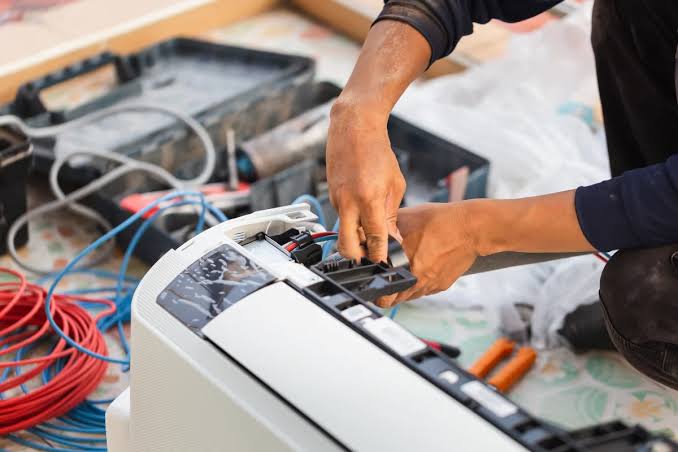
    Professional air conditioning repair can also help ensure that cooling equipment operates safely and efficiently. Technicians typically examine electrical connections, airflow, refrigerant-related issues, filters, coils, and other components before recommending a suitable solution.

    Benefits of Timely HVAC Maintenance

    Regular maintenance can help identify developing problems before they cause unexpected breakdowns. Cleaning components, replacing filters, checking connections, and inspecting system performance can support reliable operation.

    Preventive maintenance may also contribute to better energy efficiency. When an HVAC system does not have to compensate for blocked airflow, dirty components, or mechanical problems, it can operate more effectively. This may help homeowners manage energy costs while maintaining comfortable indoor temperatures.

    Choosing the Right HVAC Professional

    When selecting an HVAC service provider, consider experience, qualifications, customer reviews, service availability, and transparency about pricing. A reputable technician should explain the problem clearly and provide information about recommended repairs.

    It is also useful to ask whether the company services your specific HVAC system and whether replacement parts are available. Clear communication can help homeowners understand their options before approving significant repair work.

    Repair or Replacement?

    Not every HVAC problem means the entire system needs to be replaced. The appropriate solution depends on the equipment’s age, condition, repair history, efficiency, and the severity of the problem. A professional inspection can help determine whether repairing an existing unit is practical or whether replacement should be considered.

    Conclusion

    A properly functioning HVAC system plays an important role in indoor comfort and air circulation. Recognizing warning signs, performing routine maintenance, and arranging professional service when problems appear can support dependable operation. Addressing HVAC issues promptly can also reduce the possibility of unexpected breakdowns and help maintain efficient heating and cooling throughout the year.


  • Removals Aylesbury UK and Barking: Your Local Moving Questions Answered

    Removals Aylesbury UK and Barking: Your Local Moving Questions Answered

    Moving house brings a peculiar mix of excitement and dread. There’s the thrill of a new chapter, then the sinking realisation that everything you own needs to be boxed, transported, and unpacked without anything getting broken or lost along the way. For residents of Aylesbury and Barking, two very different towns with their own quirks, finding the right moving support can make the difference between a manageable day and a genuinely miserable one.

    This article looks at how to approach a house move in either location, what questions to ask before booking, and how to avoid the mistakes that turn a straightforward move into a stressful one.

    Getting the Basics Right Before You Book Anyone

    Before contacting a single removals company, it helps to have a rough sense of your own move: how many rooms, how many large items, whether there’s a garage or loft to clear, and what the access is like at both the old and new property. Companies can give far more accurate quotes when armed with this information upfront, rather than piecing it together from a five-minute phone call.

    It’s also worth thinking about timing. Moves booked at short notice, particularly around the end of the month, tend to cost more simply because demand outstrips available slots. If your situation allows any flexibility, aim to lock in a date at least four weeks ahead.

    Questions Worth Asking Every Company You Contact

    Regardless of location, these questions apply universally:

    1. Is the quote based on a proper survey, or just a rough estimate over the phone?
    2. Does the price include packing materials, or are these charged separately?
    3. What insurance is in place for goods in transit, and what’s the claims process if something breaks?
    4. How many movers and vehicles will be assigned, and does that match the scale of your move?

    A company that answers these clearly and without hesitation is generally one worth trusting. Vague or evasive answers, on the other hand, are a fair warning sign.

    What Makes Aylesbury Moves Distinct

    Aylesbury has grown considerably over the past couple of decades, with new housing estates springing up alongside its older town centre streets. This mix creates two very different moving scenarios. A move within one of the newer developments, such as Kingsbrook or Fairford Leys, usually involves wider roads and easier parking, which simplifies loading considerably.

    Older parts of town, particularly around the historic centre, present narrower streets and terraced housing where parking directly outside the property isn’t always possible. In these cases, movers may need to carry items a short distance to the van, which adds time to the job and should be factored into the schedule from the outset.

    Anyone researching Removals Aylesbury UK options should also consider the town’s proximity to the M40 and A41, which makes it a fairly convenient base for movers travelling further afield. If your move involves relocating out of the area entirely, a company based locally but experienced with longer routes can often provide better value than one that specialises purely in local jobs.

    Storage Considerations for Aylesbury Movers

    Gaps between moving out of one property and into another are more common than people expect, particularly with chain-related delays or new-build completion dates shifting. If this seems likely for your move, ask early on whether the company offers short-term storage, and what the pricing structure looks like for weekly versus monthly storage. Some companies build this into a combined moving-and-storage package at a better rate than booking each service separately.

    Handling a Move in Removals Barking UK Territory

    Barking sits close enough to central London that many of its moving challenges resemble those of inner-city boroughs rather than a typical outer suburb. Streets here can be tightly packed, parking is often limited, and traffic during peak hours can add real delays to a moving schedule that wasn’t planned with congestion in mind.

    For anyone comparing Removals Barking UK providers, one of the most useful questions to ask is how the company handles parking arrangements on moving day. Some streets require a formal parking suspension through the local council, arranged in advance, while others have enough space for a van to pull in without issue. Not knowing which situation applies to your street until moving day itself is a common and entirely avoidable source of delay.

    Flats and converted properties are common throughout Barking, and many come with shared access, communal stairwells, or lifts that need to be booked ahead of time. If you live in this kind of property, contact the building management directly to confirm any rules around moving hours or required notice periods, separate from whatever the removals company tells you.

    Avoiding the Most Common Barking Moving Mistakes

    A handful of recurring issues tend to catch people out in this area specifically:

    • Assuming street parking will be available without checking in advance
    • Booking a moving slot that doesn’t account for peak traffic hours on the North Circular or nearby routes
    • Not confirming lift access rules for flats, leading to delays when movers arrive
    • Underestimating how much time narrow stairwells add to loading and unloading

    Flagging these details when getting your initial quote means the company can plan realistically rather than discovering the problem on the day.

    Packing Advice That Applies Wherever You’re Moving

    A well-prepared household makes the movers’ job considerably easier, which in turn keeps the day running to schedule. A few habits worth adopting:

    • Pack a clearly labelled essentials box with toiletries, chargers, medication, and a change of clothes, so you’re not searching through sealed boxes on your first night.
    • Label every box by the room it’s going to, not by category, since this dramatically speeds up unloading and placement.
    • Wrap fragile items in towels or bedding rather than relying solely on bubble wrap, which also saves on packing material costs.
    • Take photos of any complex wiring setups, such as televisions or sound systems, before disconnecting anything.

    None of these steps are complicated, but skipping them tends to be exactly what turns a manageable moving day into a chaotic one.

    Frequently Asked Questions

    How much notice do I need to give a removals company?

    Four to six weeks is generally a safe window, though this can be shorter for smaller moves. Booking near month-end or during summer typically requires more lead time due to higher demand.

    Are parking permits my responsibility or the removal company’s?

    This varies by provider. Some companies handle parking suspension applications with the local council as part of their service, while others expect the customer to arrange this. Always confirm during the quote process.

    What’s included in a typical removals quote?

    Most quotes cover transport, loading, and unloading. Packing materials, disassembly of furniture, and storage are often separate additions, so check exactly what’s covered before comparing prices.

    Can I get short-term storage if my new home isn’t ready yet?

    Yes, many removal companies offer storage solutions, either as a standalone service or bundled with the move itself. Ask about pricing for both short-term and extended storage periods.

    Is it more expensive to move at the end of the month?

    Generally yes, since many tenancy agreements end on the last day of the month, creating higher demand during that period. A midweek, mid-month date often comes with better availability and pricing.

    What should I do if my new property has restricted lift or delivery hours?

    Contact the building management directly to confirm the rules, then pass this information to your removals company so they can plan the timing of your move accordingly.

  • Why Proper Backflow Testing Matters More Than Most Property Owners Realize

    Why Proper Backflow Testing Matters More Than Most Property Owners Realize

    Most people don’t give much thought to the water coming out of their taps. You turn on the faucet, fill a glass, wash the dishes, and carry on with your day. It feels simple because, thankfully, it usually is.

    But behind that convenience is a plumbing system designed to keep clean water moving in the right direction. When pressure changes occur, contaminated water can potentially move backward through connected plumbing. That’s where backflow prevention becomes important.

    For homeowners, landlords, and businesses, understanding testing, repairs, and basic compliance can help avoid unpleasant surprises later.

    What Exactly Is Backflow?

    Backflow happens when water flows opposite to its normal direction through a plumbing system. Under unusual pressure conditions, water from a non-potable source could potentially enter the clean water supply.

    That sounds alarming, but backflow prevention devices exist specifically to reduce this risk.

    These devices may be used around irrigation systems, commercial plumbing, heating equipment, pools, and other connections where contamination could potentially occur. The exact requirements depend on the property’s setup and local regulations.

    The important thing is that these devices need to work correctly. Simply having one installed doesn’t guarantee that it will function properly forever.

    Why Testing Is Necessary

    A backflow prevention assembly contains mechanical components that can wear, become damaged, or stop functioning correctly over time.

    That’s why certified testing matters. A qualified tester can check whether the assembly is operating within the required parameters and identify problems that might not be visible from the outside.

    Testing isn’t simply a visual inspection. Depending on the type of device, the process may involve measuring pressure and checking how internal valves respond under controlled conditions.

    For commercial properties, keeping testing records can be especially important. Missing a required test can create unnecessary compliance headaches, so it pays to know what your property is expected to do.

    Who May Need Backflow Testing?

    Not every household has the same requirements.

    A standard single-family home may have fewer backflow risks than a restaurant, apartment complex, medical facility, industrial building, or commercial property with irrigation and specialized plumbing connections.

    Properties that have cross-connections with non-potable water sources may face additional requirements. Local water authorities typically determine which systems need protection and how frequently they must be tested.

    If you’re unsure, don’t guess. A qualified plumbing professional or your local water authority can help clarify the requirements that apply to your property.

    What Happens If a Device Fails?

    A failed test doesn’t automatically mean you’ve got a major plumbing disaster on your hands.

    Sometimes a relatively small component needs servicing. Worn seals, valves, springs, or other internal parts can affect performance. In other cases, the assembly may be old or damaged enough that replacement makes more sense.

    This is where right-sized repairs are valuable. The goal should be to address the actual problem without automatically turning a small component issue into an unnecessarily large project.

    A professional should explain what failed, why it failed, and what options are available. You should have enough information to understand the recommendation before approving the work.

    Don’t Ignore Visible Warning Signs

    Backflow equipment can sometimes provide clues when something isn’t quite right.

    Unusual dripping, water discharge, corrosion, damaged connections, or changes around the device deserve attention. A discharge doesn’t necessarily mean the assembly has failed, but it can indicate that something needs to be investigated.

    Don’t attempt to dismantle or adjust the device yourself unless you’re properly qualified to do so. Backflow assemblies are part of a larger water system, and improper adjustments can create additional problems.

    If something looks unusual, call a professional and explain exactly what you’ve noticed.

    Keeping Compliance From Becoming a Headache

    For property owners, compliance can sometimes feel like another item on an already endless maintenance list.

    Dates get missed. Documents disappear. People change roles. Then suddenly someone is asking for a test report from six months ago.

    Keeping accurate records is a simple way to avoid that mess. Save testing reports, repair documentation, replacement information, and future testing dates in one accessible location.

    Working with a professional who understands local requirements can also make compliance made simple rather than something you only think about when a deadline is approaching.

    Maintenance Is Easier Than Emergency Repairs

    Preventive maintenance isn’t glamorous, but it has a way of paying off.

    Regular testing can identify worn components before they stop functioning properly. Keeping the surrounding area accessible makes inspections easier. Checking for obvious corrosion or physical damage can also help spot issues early.

    For businesses, this matters even more. A plumbing issue can affect employees, customers, tenants, and normal operations. Staying ahead of required maintenance is usually far less disruptive than dealing with an unexpected failure.

    A Small Device With a Big Responsibility

    Backflow prevention equipment isn’t something most people notice, and that’s perfectly fine. Its job is to work quietly in the background.

    But that doesn’t mean it should be forgotten.

    Regular testing helps confirm that the equipment is doing what it was designed to do. Timely repairs can address worn components, while proper records help property owners stay organized with applicable requirements.

    Whether you’re responsible for a home, rental property, or commercial building, a little attention can go a long way. Clean water is something we all rely on every day. Making sure the systems designed to protect it are tested and maintained is simply good property care.

  • Why Cleaner Air Throughout Your Home Matters More Than You Might Think

    Why Cleaner Air Throughout Your Home Matters More Than You Might Think

    The Air Around You Shapes Everyday Life

    Most of us pay attention to the water we drink and the food we eat, yet the air we breathe often slips under the radar. It’s understandable. Air is invisible, and unless something smells unusual or triggers allergies, we tend to assume everything is fine.

    But the average family spends a significant amount of time indoors. Whether you’re working from home, helping the kids with homework, cooking dinner, or relaxing with a good movie, the air inside your home is constantly part of your daily experience.

    That makes indoor air quality far more important than many homeowners realize.

    Your Home Is Constantly Collecting Tiny Particles

    Even the cleanest homes aren’t completely free of airborne particles.

    Dust drifts in through open doors and windows. Pets naturally shed dander. Cooking releases microscopic particles into the air, while pollen finds its way indoors during allergy season. Add humidity, smoke from outdoor fires, cleaning products, or even ordinary household fabrics, and the air becomes more active than it appears.

    None of these things mean your home is unhealthy. They simply remind us that indoor air changes every single day.

    Fortunately, there are practical ways to make that air cleaner and fresher without turning daily life upside down.

    Fresh Air Makes a Home Feel Different

    You know that feeling when you walk into a room and it simply feels fresh? It’s difficult to describe, but you notice it immediately.

    Cleaner indoor air doesn’t just benefit people with allergies. It can reduce lingering odors, minimize dust buildup, and create a more pleasant atmosphere for everyone in the household.

    Instead of constantly wiping furniture or wondering why rooms feel stuffy, many homeowners discover that improving air quality creates subtle but meaningful differences throughout everyday life.

    Sometimes comfort isn’t something you see—it’s something you breathe.

    Looking Beyond Portable Air Cleaners

    Portable air purifiers certainly have their place, especially in bedrooms or home offices.

    However, larger homes often benefit from whole home air purification systems that work alongside existing HVAC equipment. Instead of treating only one room at a time, these systems help clean the air as it circulates through the entire house.

    That means the living room, bedrooms, kitchen, hallways, and other shared spaces all receive the benefits of improved filtration.

    For busy families, having consistent air treatment throughout the home often feels more practical than moving portable units from room to room.

    Small Maintenance Habits Go a Long Way

    Technology helps, but everyday habits matter too.

    Replacing HVAC filters regularly, vacuuming with quality filtration, keeping vents clean, and maintaining balanced indoor humidity all contribute to healthier indoor conditions.

    Even simple things like removing shoes at the door can reduce the amount of outdoor dust and pollen entering the house.

    These habits don’t eliminate every airborne particle, but they make a noticeable difference over time.

    Consistency usually matters more than perfection.

    Why Better Filtration Makes Such a Difference

    Many airborne pollutants are far too small to notice with the naked eye.

    Dust mites, pet dander, pollen, smoke particles, and other microscopic contaminants continue circulating unless they’re properly captured. Modern filtration systems are specifically designed to reduce airborne particles before they repeatedly move through your home’s living spaces.

    This creates several practical benefits.

    Furniture often stays cleaner longer. HVAC systems may operate more efficiently, and the overall indoor environment feels fresher. For many households, these changes become noticeable within a relatively short period.

    It’s not about creating a perfectly sterile environment. It’s about making everyday air noticeably cleaner.

    Every Household Has Different Needs

    There’s no universal solution for indoor air quality because every family lives differently.

    Homes with several pets face different challenges than homes without animals. Families with young children may prioritize reducing allergens, while older homes sometimes require additional attention to ventilation and humidity control.

    Seasonal weather also changes indoor air. During winter, tightly sealed homes may trap indoor pollutants, while spring brings pollen that finds its way inside through open doors and windows.

    Understanding your home’s unique environment helps you choose solutions that genuinely fit your lifestyle instead of relying on guesswork.

    Comfort Isn’t Only About Temperature

    When people think about home comfort, they usually focus on heating and cooling.

    Yet temperature is only one part of the equation.

    Air freshness, humidity, dust levels, and overall cleanliness all influence how comfortable a room feels. Two homes may maintain the exact same temperature, but the one with cleaner air often feels more inviting.

    That’s one reason improving indoor air quality has become an increasingly popular part of modern home care.

    It’s a practical investment that quietly supports daily living without requiring constant attention.

    Cleaner Air Supports Everyday Well-Being

    The goal isn’t simply installing another piece of equipment.

    It’s creating improved indoor air that supports your family’s routines day after day. Whether you’re enjoying dinner together, reading before bed, working remotely, or simply relaxing on the couch, the quality of the surrounding air affects the overall experience.

    Cleaner indoor air also helps create an environment where dust, odors, and airborne particles become less of a daily concern.

    The improvements may seem subtle at first, but they gradually become part of what makes your home feel comfortable.

    A Better Home Starts With the Air You Breathe

    Home improvement isn’t always about remodeling kitchens or replacing flooring. Sometimes the most meaningful upgrades are the ones you can’t immediately see.

    Cleaner indoor air influences nearly every moment spent inside your home. It affects comfort, cleanliness, the performance of your HVAC system, and the overall atmosphere your family experiences each day.

    Whether you begin with better maintenance, upgraded filtration, or a whole-home purification system, every step toward better air quality contributes to a healthier and more enjoyable living environment.

    The best part is that these improvements quietly work in the background. You don’t have to think about them constantly to appreciate the results. Over time, you’ll simply notice that your home feels fresher, more comfortable, and easier to enjoy.

    And sometimes, that’s exactly what the best home investments are meant to do—improve everyday life in ways that feel natural, lasting, and genuinely worthwhile.

  • Choosing the Right Water Heater for a Home That Never Runs Out of Comfort

    Choosing the Right Water Heater for a Home That Never Runs Out of Comfort

    You probably don’t think much about your water heater on a normal day. It sits quietly in a utility room, garage, or basement, doing its job without asking for attention. Then, one chilly morning, the shower suddenly turns cold halfway through, and it’s amazing how quickly that forgotten appliance becomes the center of everyone’s conversation.

    Hot water is one of those comforts we simply expect. Whether it’s making coffee before work, washing dishes after dinner, running a load of laundry, or relaxing in a warm shower, we rely on it dozens of times every single day. That’s why choosing the right water heater isn’t just another home improvement decision—it’s an investment in everyday convenience.

    With so many options available today, homeowners often wonder which system truly fits their household. The answer depends on more than price alone. Family size, water usage, energy goals, available space, and long-term operating costs all play an important role.

    Hot Water Shapes More of Daily Life Than We Notice

    Think about everything in your home that depends on heated water.

    Morning showers.

    Dishwashers.

    Washing machines.

    Kitchen sinks.

    Bathroom faucets.

    Even simple tasks like washing your hands or cleaning vegetables become more comfortable when warm water is available exactly when you need it.

    Because water heaters work behind the scenes, people often overlook just how hard they operate every day. A well-maintained unit quietly supports countless routines without demanding much attention in return.

    When it works properly, nobody notices.

    When it doesn’t, everyone does.

    Why Many Homeowners Still Prefer traditional water heaters

    Despite the growing popularity of newer technologies, traditional water heaters remain an excellent choice for many households.

    Storage tank systems have earned their reputation through decades of dependable performance. They’re familiar, widely available, and capable of supplying hot water for the daily needs of most families.

    For homes with consistent water usage patterns, a properly sized traditional water heater offers a practical balance between purchase price, performance, and reliability.

    Modern versions are also much more efficient than older models thanks to improved insulation, enhanced controls, and better heating technology.

    Sometimes proven technology continues to make sense simply because it works well.

    Sizing Matters More Than People Expect

    One of the biggest mistakes homeowners make is focusing entirely on brand names while overlooking capacity.

    A water heater that’s too small may leave family members competing for hot showers each morning. On the other hand, an oversized unit may consume more energy than necessary just to maintain unused hot water.

    Professional installers evaluate household size, bathroom count, appliance usage, and daily routines before recommending an appropriate capacity.

    That personalized approach usually results in better comfort while avoiding unnecessary operating costs.

    Choosing the correct size is every bit as important as choosing the right model.

    Everyone Wants reliable hot water

    At the end of the day, most homeowners aren’t searching for complicated technology.

    They simply want reliable hot water whenever they turn on the faucet.

    Whether you’re helping children get ready for school, running the dishwasher after a family dinner, or enjoying a relaxing bath at the end of a busy day, consistency matters.

    Reliable performance doesn’t happen by accident.

    Routine maintenance, proper installation, periodic inspections, and timely repairs all contribute to keeping a water heater operating efficiently throughout its lifespan.

    Those small maintenance habits often prevent inconvenient breakdowns and extend the life of the equipment.

    Modern Water Heaters Are Smarter Than Ever

    Technology has quietly improved almost every appliance in today’s homes, and water heaters are no exception.

    Today’s systems often include better insulation, digital controls, improved temperature regulation, leak detection features, and more efficient heating components.

    These improvements help reduce standby heat loss while delivering consistent performance throughout the day.

    Many homeowners replacing systems that are ten or fifteen years old are surprised by how much quieter and more efficient modern equipment has become.

    It’s one of those upgrades that continues paying dividends month after month.

    Why energy efficient water heaters Make Sense

    Rising utility costs have encouraged many families to consider energy efficient water heaters when replacing older equipment.

    Newer models are designed to use less energy while delivering the same level of comfort homeowners expect.

    Improved burner technology, advanced insulation materials, and smarter operating controls all contribute to lower operating costs over time.

    Although highly efficient models may require a slightly larger upfront investment, many homeowners find the long-term savings worthwhile.

    Lower monthly energy bills combined with dependable performance create value that continues throughout the equipment’s lifespan.

    Efficiency isn’t only good for household budgets—it also reduces unnecessary energy consumption.

    Water Quality Can Influence Performance

    A factor that’s often overlooked is the impact water quality has on a water heater.

    Hard water contains dissolved minerals that gradually settle inside storage tanks and around heating elements. Over time, sediment buildup reduces efficiency and forces the system to work harder.

    Regular tank flushing helps remove accumulated sediment before it creates larger problems.

    Homes with significant hard water may also benefit from water softening systems that reduce mineral buildup throughout the plumbing system, including the water heater itself.

    Protecting water quality often helps protect the appliance as well.

    Knowing When It’s Time to Replace

    Every water heater eventually reaches the point where replacement becomes the better financial decision.

    Frequent repairs, rising energy costs, inconsistent water temperatures, visible corrosion, unusual noises, or water leaks often signal that the unit is nearing the end of its useful life.

    Replacing equipment before complete failure gives homeowners time to compare options instead of making rushed emergency decisions.

    Planning ahead also makes installation much less stressful.

    Rather than reacting to an unexpected breakdown, families can choose the system that truly fits their long-term needs.

    Investing in Everyday Comfort

    Some home improvements make a dramatic visual impact.

    A remodeled kitchen changes the look of the house.

    Fresh paint brightens every room.

    New flooring transforms the space.

    A quality water heater works differently.

    Its value appears quietly in everyday moments—morning showers that never run cold, dishes washed without delay, comfortable baths, warm water for cooking, and laundry completed without interruption.

    These aren’t dramatic experiences, but they’re the routines that define daily life.

    Choosing the right water heater means choosing dependable comfort for years to come.

    When you invest in a properly sized, professionally installed, and well-maintained system, you’re doing more than replacing an appliance. You’re ensuring your home continues delivering one of life’s simplest comforts whenever your family needs it most. And honestly, that’s something worth getting right the first time.

  • Why Professional Water System Installation Makes a Bigger Difference Than Most Homeowners Expect

    Why Professional Water System Installation Makes a Bigger Difference Than Most Homeowners Expect

    There’s something reassuring about turning on the kitchen tap and knowing the water is clean, consistent, and ready for whatever the day brings. We use water without really thinking about it—making coffee, washing vegetables, running the dishwasher, filling the dog’s bowl. It’s always there, quietly doing its job. That’s why it’s easy to overlook the importance of the equipment working behind the scenes.

    Whether you’re installing a water softener, a filtration system, or a reverse osmosis unit, the quality of the installation often matters just as much as the equipment itself. Even the most advanced system can’t perform the way it’s designed to if it’s installed incorrectly. And honestly, that’s a lesson many homeowners only learn after dealing with leaks, poor water pressure, or expensive repairs.

    Every Home Has a Different Water Story

    No two homes receive exactly the same water. Even neighbours on the same street can notice differences depending on plumbing, household usage, and the condition of local infrastructure.

    Some homes struggle with hard water that leaves stubborn mineral deposits on fixtures. Others battle chlorine taste, sediment, iron, sulfur, or other naturally occurring contaminants. Rural properties relying on well water often face an entirely different set of challenges than homes connected to municipal supplies.

    Because of these differences, installing a water treatment system shouldn’t be treated as a one-size-fits-all project. Understanding your home’s water quality first helps ensure you’re solving the right problem instead of simply buying the most expensive equipment available.

    The Installation Process Is More Than Connecting Pipes

    At first glance, water treatment equipment can look fairly straightforward. Connect a few pipes, tighten a handful of fittings, plug the unit in, and you’re finished—right?

    Not exactly.

    Proper installation involves evaluating water pressure, checking flow direction, confirming drain locations, sizing bypass valves, testing incoming water conditions, and ensuring every component works together efficiently. Small mistakes during installation can create problems that aren’t immediately obvious but become frustrating months later.

    That’s why experienced technicians focus on precise installation rather than simply completing the job as quickly as possible. Taking extra time during setup helps prevent unnecessary issues while allowing the system to operate exactly as intended from day one.

    Choosing Equipment That Matches Your Household

    Bigger isn’t always better.

    A family of two doesn’t necessarily need the same treatment capacity as a household with six people. Likewise, homes with high daily water usage require systems capable of keeping up without sacrificing efficiency.

    Oversized systems may waste water or energy, while undersized units can struggle to meet demand during busy periods. Selecting equipment based on actual water usage creates a far better balance between performance, maintenance, and long-term operating costs.

    A little planning at the beginning usually prevents expensive upgrades later.

    Why Water Testing Should Come First

    One of the most overlooked steps before purchasing filtration equipment is testing the water itself.

    Without knowing exactly what’s present in your water supply, you’re mostly guessing. Hardness, pH levels, sediment, iron, manganese, chlorine, dissolved solids, and bacteria all require different treatment methods.

    A thorough water analysis removes much of the uncertainty. Instead of relying on marketing claims or assumptions, homeowners can confidently choose equipment designed for their specific conditions.

    That confidence often leads to better results and fewer disappointments after installation.

    Good Maintenance Doesn’t Need to Be Complicated

    Many people assume owning a water treatment system means constant maintenance. Thankfully, modern equipment has become much easier to care for.

    Most systems simply require scheduled filter replacements, occasional inspections, and routine servicing based on manufacturer recommendations. Water softeners may need salt replenishment, while UV lamps require annual replacement to maintain effectiveness.

    Keeping up with these basic tasks allows the equipment to continue providing reliable operation without unnecessary interruptions. Skipping maintenance, on the other hand, gradually reduces efficiency and may shorten the lifespan of valuable components.

    Fortunately, many newer systems now include service reminders, making maintenance easier than ever.

    Protecting More Than Just Drinking Water

    When people think about water filtration, they usually picture cleaner drinking water. That’s certainly important, but it’s only part of the story.

    Better water quality also protects plumbing systems, household appliances, water heaters, dishwashers, coffee machines, washing machines, and even clothing. Hard water minerals can slowly accumulate inside pipes and heating elements, forcing equipment to work harder while reducing overall efficiency.

    Cleaner water also tends to leave fewer spots on dishes, softer laundry, smoother skin after showers, and less soap residue throughout the home.

    Sometimes the biggest improvements aren’t dramatic—they’re simply noticed a little bit every day.

    Avoiding Common Installation Mistakes

    Even quality equipment can disappoint if basic installation details are overlooked.

    Improper pipe sizing may reduce water pressure. Incorrect drain connections can cause backups. Poorly positioned shut-off valves make future servicing unnecessarily difficult. Inadequate pre-filtration may expose delicate components to sediment that shortens their lifespan.

    These issues often develop slowly, making them harder to trace back to the original installation. Investing in careful planning upfront typically saves both money and frustration over the years.

    It’s one of those situations where doing the job correctly once almost always costs less than fixing repeated problems later.

    Thinking About Value Instead of Just Price

    It’s natural to compare prices when shopping for water treatment equipment. But focusing only on the initial purchase price rarely tells the full story.

    A properly selected and professionally installed system often reduces appliance repairs, lowers maintenance costs, improves energy efficiency, and decreases bottled water purchases. Those ongoing savings gradually offset much of the original investment.

    More importantly, there’s peace of mind in knowing your household water is consistently being treated the way it should be.

    That confidence is difficult to assign a dollar value to, yet many homeowners consider it one of the greatest benefits after installation.

    A Smart Investment That Pays Off Every Day

    Water quietly supports almost every routine in our homes, yet it’s easy to forget how much depends on its quality. From cooking family meals to taking a relaxing shower after work, reliable water treatment makes everyday living noticeably better without demanding constant attention.

    When quality equipment is matched to the home’s needs, installed correctly, and maintained on schedule, it continues delivering long lasting performance year after year. The result isn’t just cleaner water—it’s fewer maintenance headaches, healthier plumbing, better appliance efficiency, and greater confidence every time you turn on the tap.

    In the end, choosing the right water treatment solution isn’t simply about buying a system. It’s about investing in comfort, reliability, and the small everyday moments that quietly improve life at home.

  • What Real HVAC Experience Looks Like in the Commercial World

    What Real HVAC Experience Looks Like in the Commercial World

    Walk into a shopping mall, a corporate office, or even a busy hospital, and you probably won’t think about the air. You’ll notice the space, the lighting, the people moving around — but the temperature? That usually goes unnoticed.

    And that’s kind of the goal.

    Because in commercial environments, heating and cooling systems aren’t supposed to stand out. They’re supposed to work quietly in the background, keeping everything comfortable without drawing attention. But behind that quiet performance is a level of planning, coordination, and execution that most people never see.

    Why Real-World Examples Matter More Than Promises

    When businesses look for HVAC services, they often hear the same claims — reliable service, expert installation, high efficiency. It all sounds good, but it can feel a bit… generic.

    That’s why looking at commercial hvac work examples can be so revealing. Not just polished photos, but actual case studies or detailed project breakdowns. What kind of buildings were involved? What challenges came up? How were they handled?

    I once came across a project where a retail space struggled with uneven cooling across floors. The solution wasn’t just upgrading equipment — it involved redesigning airflow patterns and adjusting zoning. It’s the kind of insight you only get when you see real work, not just marketing.

    And honestly, those details tell you more than any brochure ever could.

    Scale Changes Everything (And Not in the Way You Expect)

    Installing an HVAC system in a home is one thing. Scaling that up to a commercial building is something else entirely.

    Larger spaces mean more variables — more people, more equipment, more heat generation, more complexity. A small miscalculation in a residential setup might go unnoticed. In a commercial environment, it can affect entire sections of a building.

    That’s why large scale ac installs require a different level of planning. It’s not just about cooling capacity, but distribution, redundancy, and long-term reliability.

    I remember hearing about an office building where the system worked perfectly in the morning but struggled in the afternoon. The issue? Sun exposure combined with increased occupancy. It took a deeper analysis to identify and correct.

    These aren’t problems you solve with guesswork. They require experience, attention to detail, and sometimes a bit of creative thinking.

    The Hidden Complexity of Everyday Comfort

    What makes commercial HVAC interesting is how much happens behind the scenes. Temperature control isn’t just about turning on a system — it’s about maintaining balance throughout the day.

    Think about a restaurant kitchen, for example. Heat levels change constantly. The dining area needs to stay comfortable, while the kitchen handles intense temperature shifts.

    Or consider a data center, where cooling isn’t just about comfort, but about protecting equipment.

    These situations require systems that can adapt. And more importantly, teams that understand how to design and manage those systems effectively.

    That’s where experience with professional hvac projects becomes valuable. It shows an ability to handle complexity, to anticipate challenges, and to deliver solutions that actually work in real-world conditions.

    Why Flexibility Matters More Than Perfection

    There’s no such thing as a perfect HVAC plan. Even the best designs need adjustments once the system is up and running.

    Maybe airflow isn’t reaching certain areas as expected. Maybe usage patterns differ from initial assumptions. These things happen.

    The key is flexibility — the willingness to adapt, refine, and improve over time.

    I’ve seen projects where initial setups were adjusted weeks after installation, not because something was wrong, but because there was room for improvement. And those adjustments made a noticeable difference in overall comfort.

    It’s a reminder that HVAC isn’t just a one-time task. It’s an ongoing process.

    The Role of Collaboration in Commercial Projects

    One thing that often gets overlooked is how collaborative commercial HVAC work can be. It’s rarely just one team working in isolation.

    There are architects, engineers, contractors, facility managers — all working together to create a functional space. And HVAC systems need to integrate seamlessly into that environment.

    This requires communication, coordination, and sometimes compromise. It’s not just about technical expertise, but about understanding how different systems interact.

    And when that collaboration works well, the result is a space that feels cohesive — even if you never notice why.

    Energy Efficiency Isn’t Just About Savings

    In commercial settings, energy efficiency goes beyond reducing costs. It’s about creating systems that perform consistently over time.

    An efficient system runs more smoothly, experiences less strain, and requires fewer repairs. It also contributes to a more stable indoor environment, which can impact everything from employee productivity to customer experience.

    But achieving that efficiency isn’t just about choosing the right equipment. It’s about how that equipment is installed, configured, and maintained.

    And that’s where experience comes into play again.

    What to Look for When Evaluating HVAC Work

    If you’re considering commercial HVAC services, it helps to look beyond surface-level details.

    Ask about past projects. Look for variety — different types of buildings, different challenges. Pay attention to how problems were solved, not just what was installed.

    Because in the end, it’s not about the system itself. It’s about how well it fits the space it’s serving.

    And that’s something you can’t always see in a product brochure.

    Bringing It All Together

    Commercial HVAC work might not be the most visible part of a building, but it’s one of the most important. It shapes how spaces feel, how people interact, how businesses operate.

    And when it’s done well, it disappears into the background.

    That’s the sign of a good system — not that it impresses you, but that it doesn’t need to.

    Because comfort, in a commercial space, isn’t about standing out. It’s about consistency. Reliability. The quiet assurance that everything is working as it should.

    And behind that quiet assurance is a lot of experience, a lot of thought, and a lot of work that most people will never see.

    But they’ll feel it — every single day.

  • The Water You Live With: Why Testing It Changes More Than You Expect

    The Water You Live With: Why Testing It Changes More Than You Expect

    Most of us don’t think much about water until something feels off. A strange taste, a faint smell, maybe that annoying residue on your taps that just won’t go away no matter how much you scrub.

    But here’s the thing—water isn’t just something you use. It’s something you live with. Every day. In ways you don’t always notice.

    And once you start paying attention, even a little, you realize it might deserve more of your attention than you’ve been giving it.


    When You Start Noticing the Small Stuff

    It usually begins with something minor. Maybe your tea doesn’t taste quite right anymore. Or your skin feels a bit drier after showers. You might blame the weather, your soap, even your routine.

    But sometimes, it’s the water.

    That’s when curiosity kicks in. Not panic, not urgency—just a quiet thought: should I check this?

    For homes that rely on groundwater, well water testing often becomes the first step. Unlike treated water supplies, well water doesn’t go through centralized systems, which means its quality can vary depending on location, season, and surrounding conditions.

    And that’s not necessarily a bad thing—it just means you’re a bit closer to the source. Which also means you’re responsible for understanding it.


    Even “Treated” Water Isn’t Always Perfect

    If you’re connected to a city supply, it’s easy to assume everything is already handled. After all, municipal water goes through treatment plants, right?

    It does. And in most cases, it’s safe.

    But “safe” doesn’t always mean “ideal.”

    That’s where municipal water testing comes into the picture. It’s less about questioning the system and more about understanding what reaches your home after that treatment process.

    Water travels through pipelines, storage systems, and local infrastructure before it gets to your tap. Along the way, things can change—sometimes subtly, sometimes noticeably.

    Testing gives you a clearer picture of what you’re actually using, not just what’s supposed to be there.


    The Hidden Role of Minerals in Everyday Life

    Now let’s talk about something that often flies under the radar—minerals.

    Calcium, magnesium, and other naturally occurring elements are part of many water sources. They’re not harmful in most cases, but they do change how water behaves.

    If you’ve ever dealt with scale buildup, soap that won’t lather properly, or clothes that don’t feel quite as soft after washing, you’ve probably experienced the effects of mineral-rich water.

    This is where hardness and mineral testing becomes surprisingly useful. It helps you understand not just what’s in your water, but how it’s affecting your daily routine.

    Because once you know your water is hard—or even moderately so—you can start making small adjustments that improve everything from cleaning to appliance performance.


    Why Testing Isn’t Just About Problems

    There’s a common assumption that testing is only necessary when something is wrong.

    But that’s not really the case.

    Sometimes, testing confirms that everything is fine. And that alone is valuable. It removes doubt. It gives you confidence in what you’re using every day.

    Other times, it reveals small issues that are easy to address—things you might not have noticed otherwise.

    Either way, it’s about clarity.

    And clarity, when it comes to something as essential as water, goes a long way.


    The Subtle Ways Water Affects Your Home

    Once you start thinking about it, water touches almost everything.

    It’s in your morning coffee, your shower, your laundry, your cooking. It interacts with your skin, your appliances, your surfaces.

    When it’s slightly off, everything it touches feels that impact.

    You might use more detergent. Clean more often. Replace appliances sooner than expected. None of these things scream “water issue,” but they’re all connected.

    And when your water improves—even slightly—you notice those differences.

    Not all at once, but over time.


    Why Most People Put It Off

    So if testing is this helpful, why don’t more people do it?

    Honestly, because it doesn’t feel urgent.

    Water issues are rarely dramatic. They don’t break anything overnight. They don’t demand immediate attention.

    They sit quietly in the background, easy to ignore.

    Until you decide not to ignore them anymore.


    Starting Without Overthinking It

    If you’re considering testing your water, the best approach is to keep it simple.

    You don’t need to understand every technical detail or run every possible test. Start with what you’re curious about.

    Is it the taste? The buildup? The way your water feels?

    Choose a basic test, get your results, and go from there.

    You don’t need to solve everything at once. Even a small insight can lead to meaningful improvements.


    A Different Kind of Peace of Mind

    There’s something reassuring about knowing what’s in your water.

    Not guessing. Not assuming. Knowing.

    It changes how you interact with something you use every day. You stop second-guessing. You stop making small compromises without realizing it.

    And that confidence? It’s quiet, but it’s powerful.


    The Bigger Picture

    At the end of the day, testing your water isn’t about chasing perfection. It’s about understanding your environment a little better.

    It’s about making informed choices, even small ones, that improve your daily life.

    Because water isn’t just part of your home—it’s part of your routine, your habits, your comfort.

    And once you start paying attention to it, you realize it’s been telling you its story all along.

    You just had to listen.

  • Fixing Pipes Without Tearing Up Your Yard: A Smarter Way to Handle Sewer Problems

    Fixing Pipes Without Tearing Up Your Yard: A Smarter Way to Handle Sewer Problems

    There’s a particular kind of dread that comes with plumbing issues—especially the kind that lives underground.

    It’s not just the problem itself. It’s what you imagine will come next. Torn-up lawns, broken driveways, days of noise and disruption. The kind of repair that turns your home into a construction zone.

    And for a long time, that was the reality.

    If something went wrong with your sewer line, digging was almost guaranteed. There wasn’t much of a choice.

    But things have changed. Quietly, and in a way that a lot of homeowners still don’t fully realize.

    When the Ground Doesn’t Need to Be Disturbed

    Modern plumbing solutions have introduced methods that feel almost… counterintuitive.

    Fixing pipes without digging them up?

    It sounds unlikely at first. But it’s very real.

    That’s where trenchless pipe replacement comes into play.

    Instead of excavating large sections of your yard, this approach allows professionals to repair or replace damaged pipes using existing access points. It’s precise, efficient, and far less disruptive than traditional methods.

    And once you see how it works, it’s hard not to appreciate how much easier it makes the whole process.

    The Problem With Traditional Repairs

    Let’s be honest—digging up a yard isn’t just inconvenient. It’s expensive, time-consuming, and often stressful.

    Landscaping gets damaged. Hardscaping may need to be rebuilt. And even after the repair is done, there’s a sense of disruption that lingers.

    It’s not just about fixing a pipe. It’s about everything that comes with it.

    That’s why the shift toward less invasive methods feels so significant.

    Because it changes the entire experience—not just the outcome.

    A Simpler, Less Invasive Approach

    One of the biggest advantages of newer techniques is how they minimize disruption.

    With no-dig sewer repair, the focus is on solving the problem while leaving your property largely untouched.

    Small access points are used. Specialized equipment is inserted. Repairs are carried out internally, often without the need for large-scale excavation.

    And the result?

    A functioning sewer line—without the mess.

    It’s the kind of solution that feels almost too good to be true until you see it in action.

    When Technology Meets Practical Living

    What makes these methods work is a combination of innovation and practicality.

    Advanced tools allow plumbers to inspect, diagnose, and repair pipes with remarkable accuracy. Materials used in modern repairs are designed to last longer and perform better.

    But beyond the technical side, there’s something else at play.

    A recognition that homeowners don’t just want problems fixed—they want them fixed in a way that respects their space, their time, and their peace of mind.

    Built to Last, Not Just to Fix

    Another aspect that often gets overlooked is durability.

    When you repair or replace a pipe, you’re not just addressing the current issue. You’re setting the stage for how that system will perform in the future.

    That’s where the idea of durable underground plumbing becomes important.

    Modern materials and techniques are designed to resist corrosion, prevent root intrusion, and handle the demands of everyday use more effectively than older systems.

    It’s not just a repair—it’s an upgrade.

    And that distinction matters.

    Knowing When It’s Time to Act

    Of course, not every plumbing issue requires immediate intervention.

    But there are signs that shouldn’t be ignored.

    Recurring blockages. Persistent odors. Slow drains that never quite improve. These are often indicators of deeper issues within your sewer line.

    And while it might be tempting to manage them temporarily, long-term solutions tend to be more effective—and less stressful.

    Because once a problem reaches a certain point, it rarely resolves on its own.

    The Shift Toward Smarter Solutions

    There’s a broader trend happening in home maintenance.

    People are moving away from reactive fixes and toward smarter, more efficient solutions.

    They’re asking better questions. Looking for options that balance effectiveness with convenience.

    And in the case of sewer repairs, that shift is especially noticeable.

    Because the difference between traditional and modern methods isn’t just technical—it’s experiential.

    One disrupts your life. The other works around it.

    What This Means for Homeowners

    For homeowners, this evolution offers something valuable: choice.

    You’re no longer limited to one approach. You can explore options that fit your situation, your budget, and your priorities.

    And that flexibility makes the entire process feel more manageable.

    Less overwhelming. More… human, in a way.

    When Everything Goes Back to Normal

    At the end of the day, what most people want is simple.

    They want their home to function the way it should.

    No backups. No surprises. No ongoing issues.

    And when a sewer repair is done right—efficiently, thoughtfully, with minimal disruption—that’s exactly what you get.

    Everything goes back to normal.

    A Better Way Forward

    Maybe the real takeaway here is that not all repairs have to be disruptive.

    Not all solutions have to come with a cost beyond the obvious.

    Sometimes, the best approach is the one that solves the problem quietly, efficiently, and with as little impact as possible.

    And when it comes to your home—your space, your routine—that kind of solution isn’t just convenient.

    It’s worth it.

  • Behind Every Successful Business, There’s Water You Don’t Notice

    Behind Every Successful Business, There’s Water You Don’t Notice

    Walk into any business—an office, a restaurant, a warehouse—and you’ll probably notice the obvious things first. The layout, the lighting, the people moving around doing their work.

    What you won’t notice is the water.

    Not because it’s unimportant. Quite the opposite.

    It’s just doing its job quietly, in the background, without asking for attention.

    Until something goes wrong.

    The Invisible Role Water Plays in Business

    Water touches more parts of a business than most people realize.

    It’s in the coffee machine that starts the morning. The restrooms customers use. The cleaning processes that keep spaces presentable. In some industries, it’s even part of production itself.

    And yet, it’s rarely part of the conversation.

    We assume it works. We trust it to be consistent.

    But when it isn’t—when there’s a taste issue, a smell, a buildup problem—it becomes noticeable very quickly.

    And not in a good way.

    When Small Issues Become Big Impressions

    Customers don’t always know what’s wrong.

    They just know something feels off.

    A glass of water tastes strange. Ice has an unusual odor. Restrooms show signs of mineral buildup. Equipment doesn’t perform as smoothly as expected.

    These aren’t the kinds of issues that shut down a business overnight.

    But they do shape perception.

    And in a competitive environment, perception matters.

    The Need for Consistency, Not Just Safety

    Most commercial water supplies meet safety standards.

    That’s not the problem.

    The challenge is consistency.

    Water that tastes slightly different from day to day. Pressure that fluctuates. Mineral content that affects equipment over time.

    These variations might seem minor, but in a business setting, they can add up.

    That’s where commercial water systems come into play.

    Not as a luxury, but as a way to create reliability.

    To ensure that water behaves the same way every day, regardless of external variables.

    Thinking Beyond the Basics

    For many businesses, water quality becomes relevant only when there’s an issue.

    But taking a proactive approach can make a significant difference.

    Instead of reacting to problems, you create an environment where those problems are less likely to occur in the first place.

    This is the idea behind business water purification.

    It’s not about overengineering your setup.

    It’s about refining it.

    Making sure the water your business depends on supports your operations, rather than quietly working against them.

    The Impact on Equipment and Operations

    Water doesn’t just affect people—it affects machines.

    Coffee makers, dishwashers, HVAC systems, manufacturing equipment—many of these rely on water in some form.

    And over time, water quality can influence how well they perform.

    Mineral buildup can reduce efficiency. Sediment can cause wear. Inconsistent quality can lead to unpredictable results.

    These aren’t always immediate issues.

    But they’re the kind that show up gradually, often when it’s least convenient.

    Facilities and the Bigger Picture

    When you zoom out, water becomes part of a larger system.

    A facility isn’t just a collection of rooms—it’s a network of processes, all working together.

    And water runs through many of them.

    That’s why water treatment for facilities is often approached as a comprehensive solution rather than a series of small fixes.

    It’s about looking at the entire environment.

    Understanding how water interacts with different parts of the operation.

    And making adjustments that improve the system as a whole.

    The Quiet Benefits You Don’t Always See

    Improving water quality in a business doesn’t usually lead to dramatic changes.

    There’s no big reveal.

    Instead, things just work better.

    Equipment runs more efficiently. Maintenance issues become less frequent. Customers have a more consistent experience.

    These improvements are subtle.

    But they contribute to something larger—a smoother, more reliable operation.

    And that’s what most businesses are really aiming for.

    Keeping It Practical

    It’s easy to get caught up in technical details when discussing water systems.

    Filtration methods, chemical compositions, system configurations.

    But at the end of the day, the focus should remain practical.

    What does your business need?
    What issues are you noticing?
    What would improve your daily operations?

    Answering these questions keeps the process grounded.

    It turns water treatment from a complex concept into a manageable decision.

    A Shift in Awareness

    For many business owners, water quality becomes important only after a problem appears.

    But once you start paying attention, your perspective changes.

    You begin to see water not just as a utility, but as part of your business environment.

    Something that influences customer experience, operational efficiency, and overall reliability.

    And that awareness tends to stay.

    A Thought Worth Considering

    If you’ve ever noticed something slightly off about your water—whether it’s taste, smell, or performance—it’s probably worth exploring.

    Not because it’s urgent.

    But because small inconsistencies have a way of affecting larger systems over time.

    Closing, Without Overcomplicating It

    Water isn’t the first thing people think about when they walk into your business.

    But it’s part of what shapes their experience.

    It’s part of what keeps your operations running smoothly.

    And while it may not demand attention every day, it deserves a little consideration.

    Because in the end, the things that work quietly in the background are often the ones that matter most.