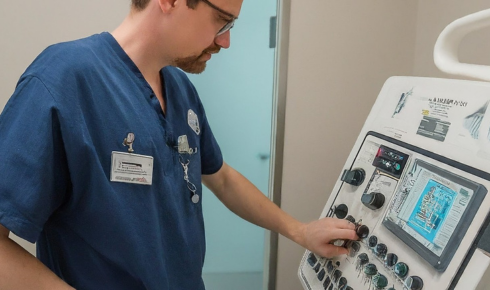
X-Ray machine
When healthcare facilities install and operate X-Ray machines, the focus is often on image quality, patient care, and workflow efficiency. What is discussed less frequently, but just as critically, is the long-term durability of the room and surrounding surfaces that support these sensitive systems. High traffic, frequent cleaning, and equipment movement can take a toll on walls, floors, and support structures. This is where Duraline Panels make a meaningful difference. By integrating these engineered panels into radiography spaces, facilities can reduce wear and tear and protect both infrastructure and imaging performance.
Understanding this connection helps administrators and planners build more resilient diagnostic environments.
Why Wear and Tear Matters in X-Ray Rooms
Radiology rooms endure unique stressors. Mobile equipment, positioning aids, and patient movement all contribute to repeated impact on walls and surfaces. In addition, uniforms, stretchers, and even lead aprons can scrape or dent standard wall materials over time. Routine cleaning and disinfection add another layer of strain on surfaces that were not designed for constant abrasion.
When everyday wear and tear accumulate, walls can crack, chip, or absorb contaminants. Over time, this affects not only the room’s appearance but also hygiene performance and maintenance costs. For spaces dominated by X-Ray machine activity, choosing durable surface materials is a long-term investment in both safety and cost control.
What Makes Duraline Panels a Strong Solution
Duraline Panels are engineered for durability, impact resistance, and long-term performance in demanding environments. Unlike standard drywall finishes or painted surfaces, Duraline Panels are built to withstand frequent contact without degrading. Their smooth, integrated surface resists scratches, dents, and chips that are common in high-traffic radiology rooms.
This ruggedness matters for spaces with X-Ray machines where constant positioning and equipment movement occur. Whether technicians are adjusting bucky stands or moving patients on stretchers, the surrounding surfaces remain intact. Over time, this reduces the need for costly repairs, repainting, or patchwork that disrupts clinical schedules.
Supporting Hygiene and Maintenance Goals
Durability is only one side of the story. Radiology suites must also maintain strict hygiene standards. Surfaces that are damaged or porous can harbour dust and microbial contamination, which makes regular cleaning less effective. Duraline Panels, with their seamless and non-porous design, support rigorous disinfection protocols.
Routine cleaning with approved solutions does not degrade the panel surface, preserving both hygiene and visual integrity. This is especially important in areas where patients with varied health backgrounds are imaged daily. Having surfaces that resist wear promotes confidence in infection control measures and helps streamline environmental cleaning practices.
Enhancing Workflow and Longevity
Healthcare teams benefit from rooms that stand up to heavy use. When walls are protected by Duraline Panels, staff can focus on patient care and imaging quality rather than worrying about damage or repairs. Over the life of an X-Ray machine, a well-planned surrounding environment with long-lasting materials can significantly reduce facility downtime and maintenance costs.
Incorporating Duraline Panels into radiography room design reflects an understanding of how physical space interacts with technology and daily operations. It is a practical, forward-looking choice that protects both infrastructure and investment.
Conclusion
Reducing wear and tear around X-Ray machines is more than an aesthetic concern. It impacts hygiene, maintenance, safety, and the overall longevity of diagnostic environments. Duraline Panels offer a durable and practical surface solution that meets the demands of today’s busy radiology departments. By choosing materials engineered for resilience, healthcare facilities build imaging spaces that work harder, last longer, and support better patient care.