remove contaminants
There’s something oddly comforting about turning on the tap and hearing water rush into the sink. It’s such a small, everyday moment that most of us barely think about it. We drink it, cook with it, wash dishes in it, and trust that it’s safe. But every now and then, you might notice something a little off — maybe a faint metallic taste, a cloudy appearance, or even mineral buildup around your faucet. Those small signs often hint at a bigger story about the water flowing through our homes.
For many households, improving water quality isn’t just about taste. It’s about health, comfort, and protecting the systems we rely on daily. Clean water affects far more aspects of daily life than most people realize, and the benefits of addressing water quality can ripple through a household in surprisingly meaningful ways.
The Hidden Journey of Tap Water
Water doesn’t magically appear in your kitchen faucet. Before it reaches your home, it travels through an intricate network of pipes, treatment facilities, and storage systems. Municipal water treatment plants do a great job meeting safety regulations, but by the time water travels miles through aging pipelines, its quality can change.
Old plumbing infrastructure can introduce minerals, sediments, and even small particles into the water supply. In some areas, groundwater naturally carries elements like iron, calcium, or sulfur. These aren’t always dangerous, but they can certainly affect how water tastes, smells, and interacts with appliances and plumbing.
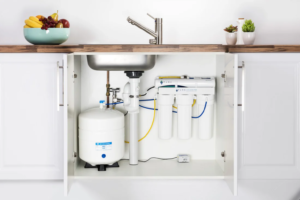
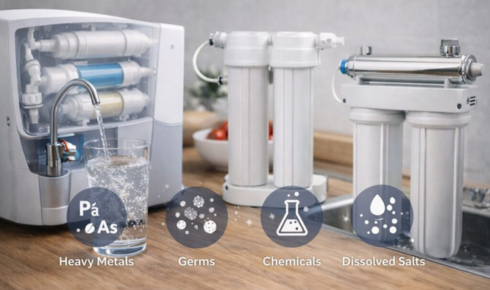
That’s why many homeowners explore ways to remove contaminants before the water is used throughout the house. Filtration systems, softeners, and purification technologies have become increasingly common, not because people distrust public utilities, but because they want an extra layer of control over the water they use every day.
Small Changes That Make a Big Difference
It’s easy to underestimate the effect water quality can have on daily routines. Think about something as simple as brewing a cup of coffee. If the water carries excess minerals or chlorine, it subtly changes the taste. The same thing happens with tea, soups, pasta, and almost anything cooked with water.
Then there’s the effect on skin and hair. Hard water, which contains high levels of calcium and magnesium, can leave residue that makes soap harder to rinse off. People often describe their skin feeling dry or their hair feeling dull after showers. While these issues might seem minor, they add up over time.
Improving water quality can lead to healthier household water, something that families appreciate not just in drinking glasses but also in cooking, bathing, and even cleaning. The difference can feel subtle at first, yet over weeks or months it becomes part of a more comfortable, healthier routine.
Your Appliances Notice the Difference Too
Water doesn’t just pass through our bodies; it passes through nearly every appliance in our homes. Dishwashers, washing machines, water heaters, and even coffee makers rely on a steady flow of water to function properly.
Hard water minerals can accumulate inside these appliances, forming scale that reduces efficiency and shortens their lifespan. If you’ve ever seen a chalky white buildup on a kettle or showerhead, that’s the same mineral scaling happening inside pipes and machines — just hidden from view.
Over time, scale buildup forces appliances to work harder. Water heaters may require more energy to heat water, dishwashers might leave spots on glasses, and washing machines can struggle to rinse detergent effectively.
That’s why many homeowners look for solutions that support appliance protection, helping machines run efficiently for longer. It’s not just about avoiding repairs; it’s also about maintaining performance and reducing energy consumption over time.
The Comfort of Consistency
There’s a subtle but powerful benefit that comes with improving water quality: consistency. When water quality fluctuates, you might notice soap behaving differently, clothes fading faster, or dishes developing streaks after washing.
Consistent water quality means everyday tasks become predictable. Laundry feels softer, dishes come out clearer, and showers feel more refreshing. It’s a quiet improvement — not dramatic, not flashy — but it changes the overall experience of living in a home.
And honestly, that kind of reliability matters. Life is complicated enough without wondering why your kettle suddenly smells odd or why your dishwasher is leaving residue again.
Choosing the Right Approach
Water quality solutions vary widely depending on location and household needs. Some homes benefit from simple carbon filters that reduce chlorine and odors, while others may require water softeners to manage mineral content. In areas with specific contaminants, advanced filtration or reverse osmosis systems might be the right choice.
The key is understanding your local water conditions. A basic water test can reveal mineral levels, sediment presence, and other characteristics that influence which treatment methods will work best.
It’s not about installing the most complex system available. Often, the smartest approach is the one tailored specifically to your home’s water supply and daily usage patterns.
A Quiet Investment in Everyday Living
Clean water rarely gets the attention it deserves. Unlike new furniture or a fresh coat of paint, you can’t always see the improvement right away. Yet the benefits quietly weave themselves into daily life — better-tasting meals, smoother showers, longer-lasting appliances, and peace of mind about what your family is consuming.
In many ways, improving household water quality is less about solving a problem and more about creating a better environment for everyday living. It’s a decision that touches nearly every moment in the home, from morning coffee to late-night dishwashing.