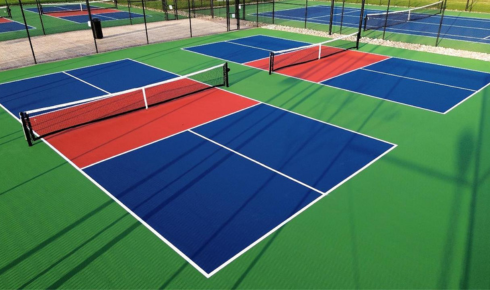
The sports industry has experienced remarkable growth over the last decade, leading to increased investment in high-quality sports infrastructure. From schools and colleges to professional sports academies and commercial stadiums, organizations are focusing on building world-class facilities that deliver durability, safety, and performance. Among the most preferred solutions today is synthetic acrylic flooring, especially for tennis court flooring and multipurpose sports courts.
Its ability to withstand harsh weather, support intensive gameplay, and maintain long-term performance has made it one of the most reliable flooring systems in the sports construction industry.
The Importance of Quality Sports Infrastructure
Sports infrastructure is much more than constructing a playing area. It involves designing facilities that improve athlete performance, ensure player safety, and provide long-lasting operational value.
Modern sports facilities now require:
- Professional-grade sports surfaces
- Proper drainage systems
- Shock absorption technology
- Weather-resistant materials
- Low maintenance solutions
Without quality infrastructure, athletes may face inconsistent playing conditions and a higher risk of injuries. This is why advanced flooring technologies are becoming essential in sports facility development.
What Makes Synthetic Acrylic Flooring Popular?
Synthetic acrylic flooring is a layered coating system applied over asphalt or concrete surfaces. It creates a smooth, durable, and anti-slip sports surface suitable for multiple games.
The popularity of acrylic sports flooring comes from its ability to provide:
- Consistent ball bounce
- Comfortable player movement
- Superior grip and traction
- Resistance to UV rays and rain
- Attractive court appearance
These qualities make it ideal for outdoor and indoor sports courts alike.
Key Benefits of Synthetic Acrylic Flooring
Long-Term Durability
One of the major reasons facility owners prefer synthetic acrylic flooring is its exceptional durability. Unlike traditional surfaces, acrylic coatings resist cracking, fading, and surface wear even after years of heavy use.
This makes it highly suitable for schools, clubs, and public sports complexes that experience continuous player activity.
Weather Resistance
Outdoor sports courts are constantly exposed to sunlight, rain, and changing temperatures. Acrylic sports flooring is designed to handle extreme environmental conditions without losing performance quality.
Its UV-resistant properties help maintain court color and surface integrity for years.
Low Maintenance Costs
Maintaining traditional sports surfaces can become expensive and time-consuming. Synthetic acrylic flooring significantly reduces maintenance requirements because it does not require watering, rolling, or frequent repairs.
Routine cleaning and periodic resurfacing are usually enough to keep the court in excellent condition.
Enhanced Safety and Comfort
Player safety is a critical factor in sports infrastructure planning. Acrylic flooring systems offer excellent traction and cushioning, reducing the chances of slips and impact injuries.
Some advanced systems also include cushioned layers that minimize stress on knees and joints during gameplay.
Why Tennis Court Flooring Requires Special Attention
Tennis is a sport that depends heavily on speed, balance, and precision. The quality of tennis court flooring directly affects player performance and match consistency.
Poor court surfaces can lead to:
- Uneven ball bounce
- Reduced player movement
- Surface cracks and water accumulation
- Increased injury risks
Modern acrylic tennis courts solve these problems by offering smooth gameplay and superior durability.
Types of Tennis Court Flooring Systems
Acrylic Hard Courts
Acrylic hard courts are among the most widely used tennis court flooring systems worldwide. They are commonly used in tournaments, sports clubs, and educational institutions because of their reliability and professional performance.
Cushioned Acrylic Courts
These courts contain additional cushioning layers beneath the acrylic surface. They provide better comfort and reduce physical strain on players during long matches.
Clay Tennis Courts
Clay courts are known for slower gameplay and higher bounce. However, they require significant maintenance and are less practical in regions with heavy rainfall.
Synthetic Grass Courts
Synthetic turf courts offer a softer playing surface while requiring less maintenance than natural grass courts.
The Role of Sports Infrastructure in Urban Development
As cities expand and awareness about fitness increases, sports infrastructure has become an important part of urban planning. Governments and private organizations are investing in:
- Multi-sports complexes
- Community sports centers
- School sports facilities
- International-standard stadiums
Modern sports infrastructure not only supports athletic development but also promotes healthy lifestyles and community engagement.
Factors to Consider Before Installing Acrylic Sports Flooring
Surface Base Quality
A strong asphalt or concrete base is essential for long-lasting flooring performance. Poor foundation work can lead to cracks and uneven surfaces.
Usage Requirements
Different sports require different flooring characteristics. Tennis courts demand precise ball response, while basketball courts require stronger impact resistance.
Drainage System
Proper water drainage is crucial for outdoor courts to prevent waterlogging and surface damage.
Professional Installation
Working with experienced sports flooring contractors ensures accurate surface leveling, coating application, and compliance with sports standards.
Future Trends in Sports Flooring Technology
The sports flooring industry is continuously evolving with advanced innovations such as:
- Eco-friendly acrylic coatings
- Smart shock absorption systems
- Anti-skid technologies
- Heat-reflective court surfaces
- Sustainable construction materials
These advancements are helping create safer and more efficient sports environments for athletes worldwide.
Conclusion
The future of sports infrastructure depends heavily on high-performance sports surfaces that combine safety, durability, and professional gameplay standards. Synthetic acrylic flooring has emerged as one of the best solutions for tennis court flooring and multipurpose sports facilities because of its weather resistance, low maintenance, and superior playing experience.
As demand for modern sports facilities continues to rise, investing in advanced acrylic flooring systems can provide long-term value for schools, sports academies, clubs, and commercial sports complexes. High-quality sports infrastructure not only enhances athletic performance but also contributes to the overall growth of sports culture and healthy communities.