
loyalty programs
Have you ever earned points through a loyalty program and then forgotten all about them?
You keep collecting them, but redeeming them feels complicated, delayed, or simply not worth the effort.
That’s a common problem many traditional loyalty programs face today. Point-based systems may not be the best match for how people expect rewards to work. In a world of instant access and quick gratification, waiting months to redeem points feels out of sync.
This is why digital rewards represent an alternative choice.
Where point-based loyalty falls short
Point systems ask users to accumulate rewards over time before they see any real benefit. The value often feels abstract, balances are hard to track and redemption rules can be unclear. For many users, points end up being ignored rather than redeemed.
For businesses, this creates a challenge, that is, low engagement. When rewards don’t feel immediate or meaningful, loyalty programs might lose their ability to motivate repeat actions.
Why Digital Rewards feel more lucrative
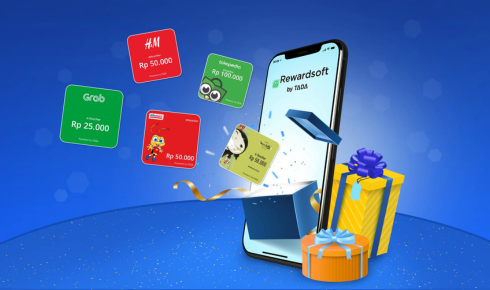
Digital rewards change the experience completely. Instead of waiting, users receive something they can use right away, including gift cards, vouchers, or instant incentives across familiar brands and services.
Platforms like RewardOn by Paramotor Digital Technology and Xoxoday by Giift Group enable organisations to offer digital rewards that recipients can redeem instantly from wide brand catalogues. This immediate access makes the reward feel real and valuable, encouraging users to participate more actively in loyalty programs.
Designed for different people, not one type of user
Digital rewards are flexible by nature. They can be tailored for loyal customers, users, channel partners or even employees. Instead of a single points structure, organisations can match rewards to specific actions, such as purchases, referrals, milestones, or performance.
This makes loyalty programs relevant and motivating .
Simpler to manage, easier to measure
From a business perspective, digital rewards simplify operations. Redemption histories, reward values and engagement data are recorded automatically, making tracking and reporting easier. This clarity helps organisations understand what’s working and refine their loyalty strategies over time.
Encouraging the right behaviour, at the right time
One of the advantages of digital rewards is timing. Rewards can be issued the moment an action is completed, thereby strengthening the connection between effort and recognition. This immediate feedback reinforces positive behaviour more effectively than delayed point redemptions.