
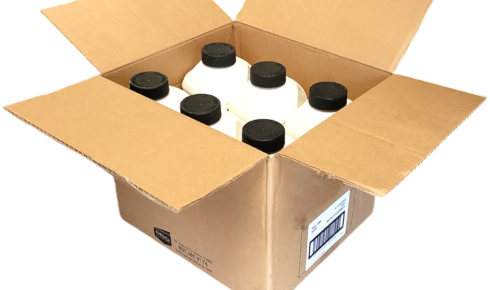
iron staining cleaner
You don’t really notice water… until it starts leaving evidence behind.
It shows up quietly at first. A faint orange ring in the sink. A cloudy film on your shower door that won’t budge no matter how much elbow grease you apply. Maybe your white laundry starts looking slightly yellow, and you can’t quite figure out why.
Water is supposed to clean things. So when it starts staining them instead, it feels almost personal.
The truth is, many homes deal with mineral-heavy or tannin-rich water, especially in rural areas or places relying on well systems. It’s not always unsafe — but it can be frustrating. And if you’ve ever scrubbed a toilet bowl for ten straight minutes only to see the stain creep back a week later, you know exactly what I mean.
Let’s talk about what’s actually happening — and what you can realistically do about it.
The Story Behind Those Brown and Orange Stains
Iron is one of the most common culprits when it comes to rust-colored stains. When iron dissolves in water and then oxidizes upon contact with air, it leaves behind that telltale reddish-brown mark. Sinks, tubs, and even concrete driveways can show signs of it.
It doesn’t take much iron to create visible staining. Even small concentrations can gradually tint surfaces over time. That’s why cleaning alone isn’t always enough — you have to understand the source.
If you’re battling stubborn rust rings, an iron staining cleaner can be incredibly effective. These products are formulated to break down iron deposits without damaging porcelain or tile. The key is using something designed specifically for mineral stains rather than relying on general household cleaners.
It’s a small distinction, but it makes a big difference.
When Water Carries Organic Stains
Not all discoloration is rust-colored. Sometimes it’s more tea-like — yellowish or brown, almost like someone poured diluted coffee into the plumbing.
That’s often the result of tannins.
Tannins are organic compounds that come from decaying vegetation. They’re common in surface water sources and shallow wells. While they’re not typically harmful, they can leave staining on fixtures and laundry, and they often give water a slightly earthy taste.
Removing tannins requires a different approach than iron. A dedicated tannin remover is designed to address these organic compounds at the source, typically through specialized filtration or treatment systems.
Cleaning surfaces can reduce visible marks temporarily, but if tannins are present in your supply, long-term control usually means addressing the water itself.
It’s a bit like treating weeds in a garden. Pulling them out helps, but unless you deal with the root, they come back.
The Battle Against Hard Water Buildup
Then there’s the most common household annoyance of all: hard water.
Hard water contains elevated levels of calcium and magnesium. These minerals don’t stain in the traditional sense, but they leave behind scale — that chalky white residue you see around faucets, showerheads, and glass doors.
Over time, scale buildup can clog fixtures and reduce appliance efficiency. Water heaters, dishwashers, and washing machines all work harder when coated in mineral deposits.
For surface cleaning, a specialized hard water cleaner can dissolve scale without scratching delicate finishes. Vinegar works in a pinch, but purpose-made cleaners often act faster and require less scrubbing.
That said, like iron and tannins, hard water is best managed at the source. A water softener can reduce mineral content before it reaches your fixtures, cutting down on future buildup.
Cleaning treats the symptom. Softening treats the cause.
Cleaning vs. Correcting the Source
Here’s where a lot of homeowners get stuck.
They buy stronger cleaners. They scrub harder. They assume it’s just part of normal wear and tear. But if stains and buildup keep returning, it’s usually because the underlying water quality hasn’t changed.
Testing your water is often the smartest first step. Hardness levels, iron concentration, and the presence of tannins can all be measured. Once you know what you’re dealing with, solutions become clearer.
Sometimes it’s as simple as installing a softener. Other times, it may involve filtration systems specifically designed for iron or organic removal.
It doesn’t have to be complicated — but it does need to be informed.
Everyday Habits That Help
Even if you’re working toward a long-term fix, small habits can reduce staining and buildup.
Wiping down shower walls after use prevents scale from drying and hardening. Cleaning sinks regularly stops iron from oxidizing on surfaces. Using filtered water for laundry can minimize discoloration on fabrics.
These habits won’t solve everything, but they make a noticeable difference over time.
And honestly, prevention is usually easier than restoration.
The Bigger Picture of Water Quality
Water touches nearly every part of your home. It affects how your bathroom looks, how your clothes feel, how your coffee tastes. When it’s balanced and clean, it fades into the background. When it’s not, it leaves reminders everywhere.
Stains and buildup aren’t just cosmetic issues. They’re clues.
Clues that your water contains minerals or organic compounds that need attention. Clues that cleaning alone won’t permanently solve the problem.
Addressing water quality isn’t about perfection. It’s about reducing frustration. Protecting appliances. Preserving the look of your home.
Because at the end of the day, water should make life easier — not add to your cleaning list.
And once you’ve tackled the source of those stubborn stains, you’ll find something refreshing: surfaces stay cleaner longer. Fixtures shine without constant scrubbing. And the simple act of turning on the tap feels a little less complicated.