Water is something most people take for granted until it starts causing problems. Maybe the drinking water has an unusual taste, white marks keep appearing on bathroom fixtures, or laundry comes out feeling stiff even after using a good detergent. In some homes, the issue is more noticeable, with reddish stains, unpleasant odors, or cloudy water that never seems quite right.
These problems can be frustrating, especially when the cause isn’t immediately obvious. The good news is that water quality issues can often be addressed with the right testing, treatment equipment, and ongoing care. Instead of relying on guesswork, homeowners and business operators can take a more practical approach to understanding what’s in their water and choosing a solution that suits their needs.
Not Every Water Problem Has the Same Cause
Water quality varies from one property to another. Even two homes on the same street may experience different issues depending on their plumbing, water source, and existing treatment equipment. Municipal water supplies are generally treated before distribution, but minerals, plumbing conditions, and other factors can still affect the water that reaches a tap.
Private wells present a different set of considerations. Their water quality can change with seasonal conditions, nearby land use, rainfall, and the characteristics of the surrounding geology. A well that has supplied a family with water for years should not automatically be assumed safe simply because it looks clear.
Recognizing the specific problem is the first step toward solving it. Hard water, excess iron, sediment, unpleasant odors, and certain unwanted contaminants require different treatment methods. Installing equipment without identifying the underlying cause may waste money while leaving the original concern unresolved.
Finding the Right Approach to Specialty Filtration
Some water concerns need more than a standard filter or softener. For example, a household might struggle with persistent sulfur-like odors, staining caused by iron, or sediment that repeatedly clogs faucet aerators. In these situations, problem water / specialty filtration can provide a more targeted approach based on the water’s actual characteristics.
The treatment method matters because different technologies perform different jobs. Sediment filters capture particles, activated carbon can improve certain tastes and odors, and water softeners primarily address hardness minerals such as calcium and magnesium. Other concerns may require oxidation and filtration, specialized media, reverse osmosis, or another treatment process suited to the contaminant involved.
There is no single system that removes everything from every water supply. That’s an important point, and one that sometimes gets lost in product advertising. A dependable provider should explain what a proposed system is designed to reduce, what it won’t address, and whether additional testing or treatment is necessary.
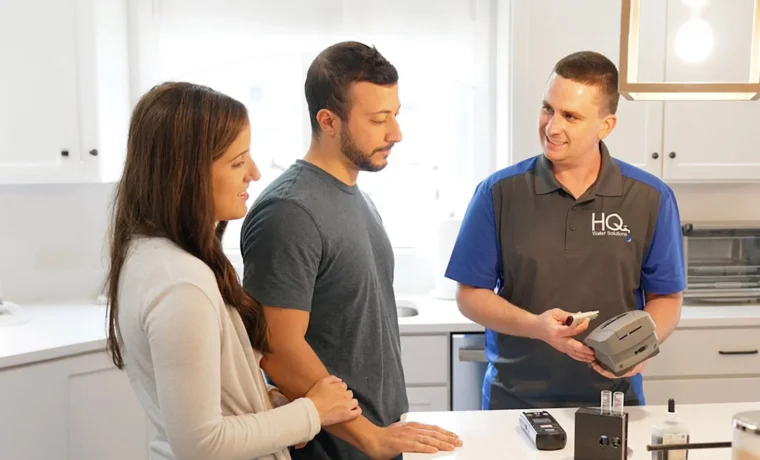
Testing is especially valuable when water comes from a private well or when there has been a sudden change in appearance, smell, or taste. Depending on the location and circumstances, testing may include hardness, pH, iron, bacteria, nitrate, or other relevant parameters. The appropriate test panel should reflect local risks and the property’s water source.
Why Regular Water Testing Makes a Difference
Water testing is not just something to do when a problem becomes obvious. Some contaminants have no noticeable smell, color, or taste, so clear water does not necessarily mean the water is safe. Periodic testing can help identify changes early and provide useful information when selecting or adjusting treatment equipment.
For private wells, testing recommendations should follow local public health guidance. Testing after flooding, nearby construction, repairs to the well, or other events that could affect the water supply may also be appropriate. If results indicate a potential health risk, follow the laboratory’s recommendations and contact the relevant public health authority about suitable next steps.
For households using treatment equipment, testing can also help confirm whether the system is performing as expected. A filter that once worked well may become less effective as its media ages or its capacity is reached. Rather than assuming that the equipment is still doing its job, occasional checks provide a clearer picture.
Making Water Systems Easier to Manage
Modern treatment systems can be easier to maintain when homeowners have useful information about how the equipment is operating. Depending on the model, monitoring features may track water usage, alert users to unusual flow patterns, indicate salt levels, or provide reminders when filters need attention.
A well-designed smart water monitoring setup can make routine water management more convenient. For instance, an alert about continuous water flow may prompt a homeowner to investigate a running toilet, leaking pipe, or another issue before the water bill becomes unexpectedly high. Some connected devices can also help users understand daily consumption and identify changes in household habits.
Still, monitoring technology has limits. A leak detector does not necessarily identify every leak, and a water usage sensor cannot replace laboratory testing for contaminants. These tools work best when they support regular inspections and sensible maintenance rather than create a false sense of security.
Before buying a connected device, consider whether it works with the existing plumbing, whether it requires a subscription, and how its alerts are delivered. The most useful technology is usually the kind that solves a real problem without making everyday life more complicated.
Water Quality Matters Beyond the Home
Businesses can face water challenges that are more demanding than those found in a typical household. Restaurants depend on suitable water quality for beverage preparation, food service, ice machines, and cleaning. Hotels may deal with scale in water heaters and laundry equipment, while manufacturing facilities can have specific requirements tied to production processes.
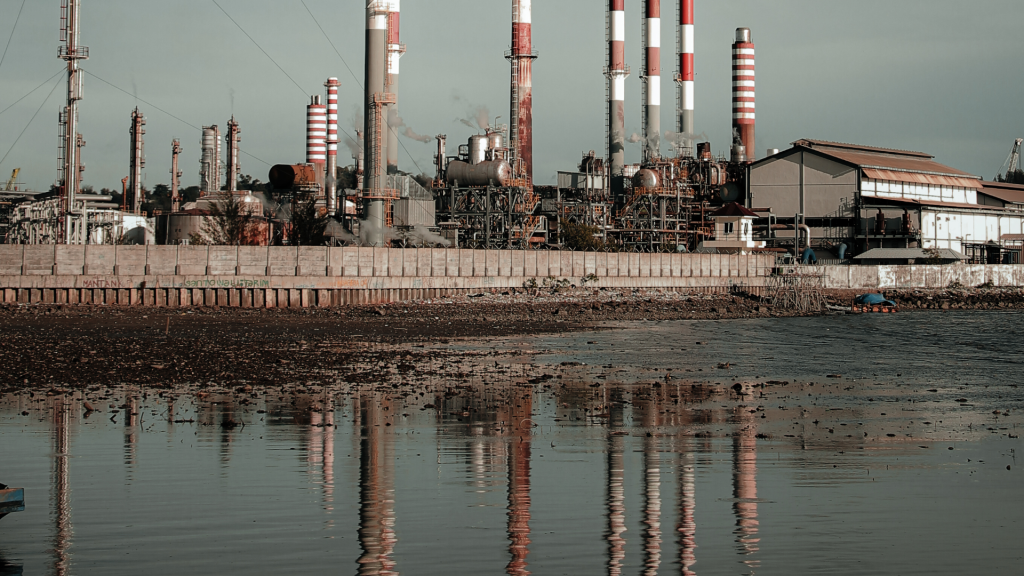
In commercial / industrial settings, the right treatment strategy begins with understanding how water is used throughout the operation. A system designed for drinking water at a small office may not have the capacity or performance characteristics required for a busy restaurant, workshop, or production facility.
Scale buildup, corrosion, sediment, and unsuitable water chemistry can affect equipment efficiency and increase maintenance expenses. In certain applications, untreated water may also influence product consistency or interfere with process requirements. These concerns make professional assessment particularly valuable when the cost of downtime is high.
Businesses should consider daily water demand, peak usage, equipment specifications, applicable regulations, and the consequences of treatment-system failure. Depending on the application, solutions may include softening, filtration, reverse osmosis, or more specialized treatment technologies. Regular service records and planned maintenance can help keep operations predictable.
Maintenance Is Part of the Solution
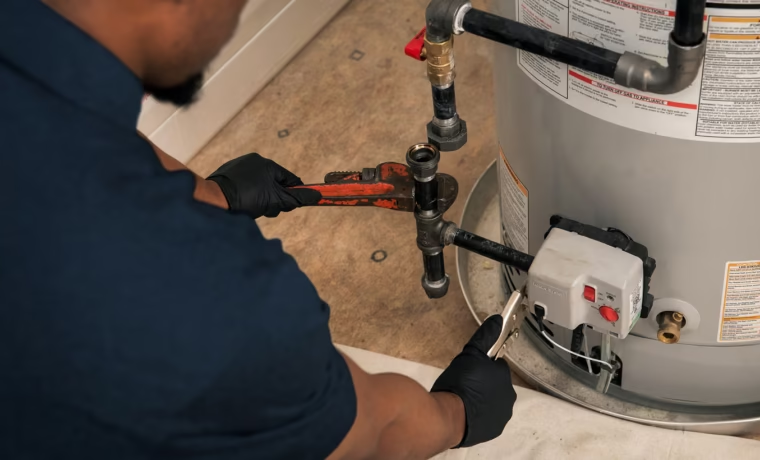
Even a well-selected treatment system needs attention. Filters eventually require replacement, softeners need appropriate salt levels, and some equipment requires cleaning, disinfection, or periodic inspection. Ignoring these tasks can reduce performance and, in certain circumstances, create additional water quality concerns.
Maintenance schedules should follow the manufacturer’s instructions and account for actual water conditions and usage. A busy household may use filter capacity more quickly than a smaller one, while a business operating throughout the day may need more frequent service than a facility with occasional demand.
It also helps to keep records of installation dates, filter changes, service visits, and test results. These details make it easier to spot recurring problems and decide when repairs or upgrades are justified. If water quality suddenly changes, don’t assume that replacing a filter will solve everything. The cause may be somewhere else in the plumbing or water supply.
Choosing a Solution With Confidence
Good water treatment starts with asking the right questions. What problem needs to be addressed? Has the water been tested? How much water does the property use? What maintenance will the equipment require, and what happens if the system stops working?
Clear answers help people compare options without being distracted by unnecessary features or impressive-sounding claims. A reputable provider should explain the available choices in plain language, outline expected maintenance costs, and avoid promising that one product can solve every possible water issue.
Better water does not always require the biggest or most expensive system. Often, the most effective solution is a carefully selected combination of testing, appropriate treatment, and regular upkeep. With a little attention and a willingness to investigate the cause rather than guess, households and businesses can make more informed decisions and build a water management plan that works for the long term.