
Most of us don’t give much thought to the water coming from our taps. We fill a glass, make tea, wash vegetables, and get on with the day. It’s only when something seems off—a strange taste, stubborn white marks on the faucet, or an unusual smell—that we start wondering what’s actually in our water.
And that’s a fair question. Water can look perfectly clear and still contain substances worth investigating. On the other hand, some visible problems are simply caused by harmless minerals. Knowing the difference can save you money, reduce unnecessary worry, and help you make better decisions for your home.
The good news is that improving household water doesn’t have to involve complicated equipment or expensive upgrades. A little testing, some basic knowledge, and the right advice can go a long way.
Why Understanding Your Water Matters
Water quality varies depending on where it comes from and how it reaches your home. Public water supplies are generally treated and monitored, but older pipes, storage tanks, and plumbing fixtures can sometimes affect water after it leaves the treatment facility.
Private wells require a different approach. Groundwater may be influenced by local geology, agricultural activity, nearby septic systems, and seasonal rainfall. Because private wells aren’t regulated like public drinking-water systems in many places, owners generally need to arrange their own testing.
This is why water quality should be assessed rather than guessed at. A laboratory test can identify concerns such as bacteria, nitrates, certain metals, and other contaminants relevant to your location. Municipal customers can also review their supplier’s water quality report and arrange additional testing if they suspect a problem within their property’s plumbing.
Taste and smell provide clues, but they’re not dependable safety checks. Chlorine, for instance, can create a noticeable odor even when present as part of routine disinfection. Meanwhile, some harmful contaminants have no obvious taste, smell, or color.
Testing gives you a clearer starting point and helps you avoid buying equipment that doesn’t address your actual concern.
Choosing the Right Water Treatment for Your Home
Once you understand what’s in your water, choosing an appropriate solution becomes much easier. Different treatment methods are designed for different purposes, and no single product removes every possible contaminant.
Sediment filters capture particles such as sand, dirt, and rust. Activated carbon filters can improve taste and odor while reducing chlorine and certain organic compounds. Reverse osmosis systems use a semipermeable membrane to reduce many dissolved substances, while ultraviolet equipment can inactivate susceptible microorganisms when correctly installed and maintained.
The distinction matters. If your main complaint is a chlorine taste, a simple carbon filter may be enough. If testing identifies particular dissolved contaminants, a more specialized system may be necessary. And if hard water leaves chalky deposits on taps and showerheads, a water softener may be more useful than an ordinary drinking-water filter.
Effective water treatment begins with matching the technology to the problem. Before purchasing anything, check the manufacturer’s performance claims and look for independent certification from recognized organizations. Make sure the product has been tested for the specific substances you want to reduce.
It’s also worth considering how much water your household uses. A small under-sink filter may suit a couple who mainly need drinking water, while a larger family might benefit from greater capacity or a system that treats water throughout the property.
Whole-House Filtration or a Drinking-Water Filter?
This is one of the most common questions homeowners face, and the answer depends largely on where the problem occurs.
A point-of-use filter treats water at a particular location, usually a kitchen faucet. It’s often a practical choice when the main goal is improving drinking and cooking water. Under-sink carbon filters and reverse osmosis units are common examples.
A whole-house filtration system is installed where water enters the property. It treats water before it reaches bathrooms, laundry areas, and other fixtures. Depending on its design, it may reduce sediment, chlorine, or certain other contaminants throughout the home.
Whole-house equipment can be useful when a problem affects several taps, but it isn’t automatically the better option. Some systems focus on sediment or taste and won’t remove dissolved metals or microorganisms. Others require more space, professional installation, and ongoing maintenance.
Think about your priorities before deciding. There’s little reason to treat every tap if your only concern is drinking-water taste, just as a small kitchen filter may not solve sediment problems affecting the entire plumbing system.
Don’t Overlook Hardness and pH
Water chemistry can affect comfort at home even when the water doesn’t present an immediate health concern.
Hard water contains elevated levels of calcium and magnesium. These minerals can leave white deposits on fixtures, reduce soap lather, and gradually build up inside water heaters and appliances. A water softener can reduce hardness through ion exchange, helping limit scale formation.
Water pH is another consideration. Water that’s too acidic may contribute to corrosion in susceptible plumbing, potentially increasing the release of certain metals. Some high-pH conditions can affect taste or contribute to deposits, although pH alone doesn’t explain every scaling problem.
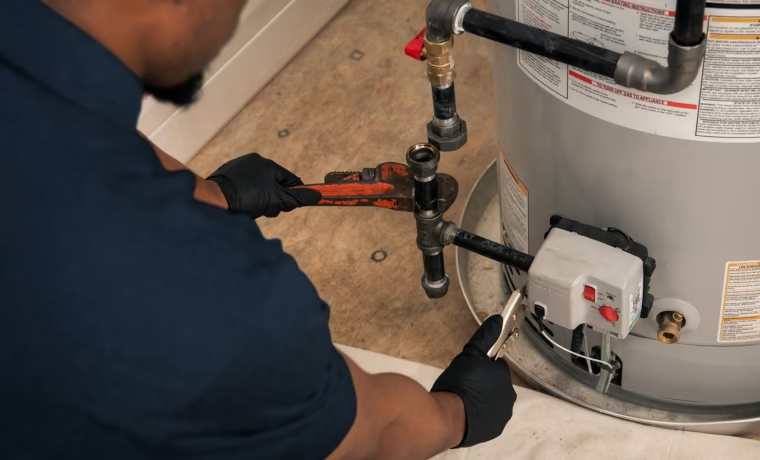
If you notice blue-green stains around sinks, recurring scale, or an unusual metallic taste, don’t assume you know the cause. Several conditions can produce similar symptoms. Testing the water and, when appropriate, checking the plumbing can help identify what’s really happening.
Treatment should be based on the results. A softener won’t remove every contaminant, and a pH adjustment system won’t necessarily address bacteria or chemical pollution. Each serves a specific purpose.
Why Professional Advice Can Be Worthwhile
Water treatment products aren’t always easy to compare. Two filters may look similar but have different capabilities, replacement schedules, and operating costs. Some systems also require specific water conditions to work effectively.
If you’re unsure where to begin, a free consultation with a reputable water treatment professional may help you understand your options before committing to a purchase. Ask what testing is recommended, which contaminants the proposed system addresses, and whether its performance claims are independently verified.
A trustworthy provider should be willing to explain the findings in plain language rather than relying on frightening claims or pressure tactics. If someone insists you need an expensive system before examining your water, take a step back.
It’s sensible to ask about long-term costs, too. Replacement cartridges, membranes, electricity, servicing, and wastewater can affect the total expense over several years. A lower-priced unit isn’t always cheaper to operate, but a costly system isn’t necessarily better suited to your home.
Maintenance Makes a Real Difference
Installing a filter is only part of the job. Cartridges eventually clog or reach the end of their useful life. Reverse osmosis membranes need periodic replacement, and UV equipment requires routine maintenance to keep working as intended.
Follow the manufacturer’s instructions and keep a simple record of service dates and water test results. If you rely on a private well, arrange repeat testing at appropriate intervals and after events such as flooding or noticeable changes in the supply.
Pay attention to sudden changes in taste, smell, or appearance. These don’t automatically indicate danger, but they shouldn’t be ignored either.
Making a Confident Decision
Good water management doesn’t have to be complicated. Start with reliable information, identify the problem, and choose equipment designed to address it. For some households, a basic filter will do the job. Others may need softening, reverse osmosis, UV treatment, or a combination of technologies.
The important thing is to avoid guesswork. Understanding your water can prevent unnecessary spending, protect household plumbing, and help you feel more confident about everyday use.
Clean water is one of those things we notice most when something goes wrong. With sensible testing, informed choices, and regular maintenance, you can give it the attention it deserves without making the process harder than it needs to be.