A plumbing system doesn’t usually ask for attention when everything is working properly. You turn on the kitchen tap, take a warm shower, run the washing machine, and get on with your day. It’s only when something goes wrong that you realize how much you rely on the pipes, drains, and connections hidden around your home.
Sometimes the warning is obvious, like water spreading across the laundry room floor. Other times, it’s a slow drain, an unusual smell, or a water bill that seems higher than normal. These small changes are easy to put off, especially when life is busy. Still, paying attention early can help homeowners avoid unnecessary damage and make better decisions about repairs.
Good plumbing care isn’t about expecting something to break every week. It’s about understanding how your system works, recognizing when it needs help, and choosing practical solutions instead of rushing into the first repair available.
A Dependable Water Supply Begins With Healthy Pipes
Clean water is central to everyday life. We use it for drinking, cooking, bathing, cleaning, and dozens of little tasks that rarely get a second thought. When water pressure drops or a tap begins producing discolored water, the disruption can be frustrating. More importantly, the change may point to an issue that deserves investigation.
Some problems are relatively simple. A clogged faucet aerator, a partially closed valve, or mineral deposits can reduce flow at one fixture. If the pressure drops throughout the house, however, the cause may involve the main supply line, a leak, corrosion, or another issue that needs a closer look.
A reliable water supply depends on properly installed pipes, sound connections, suitable pressure, and timely repairs. Homeowners should watch for unexplained wet patches, recurring pressure changes, and increases in water consumption that don’t match their normal usage. These clues don’t always indicate a major fault, but ignoring them can allow a manageable problem to grow.
If you suspect a leak, check the areas you can access safely, including beneath sinks and around appliances. Avoid digging outdoors or opening walls without knowing where pipes and other utilities run. A qualified plumber can inspect the system, locate the likely source, and explain the available repair options.
Gas Plumbing Is a Matter of Safety, Not Guesswork
Gas appliances can make daily life more comfortable, from heating water to preparing meals. But gas lines need careful handling. A damaged connection, incorrect installation, or faulty appliance can create a serious hazard, so repairs should never be approached as an ordinary do-it-yourself project.
Pay attention to warning signs such as a gas odor, unusual hissing near a connection, or an appliance that appears to be malfunctioning. If you suspect a gas leak, leave the area immediately. Don’t operate switches, light flames, or use anything that could create a spark. Once you’re safely away, contact the gas utility or emergency services according to local guidance.
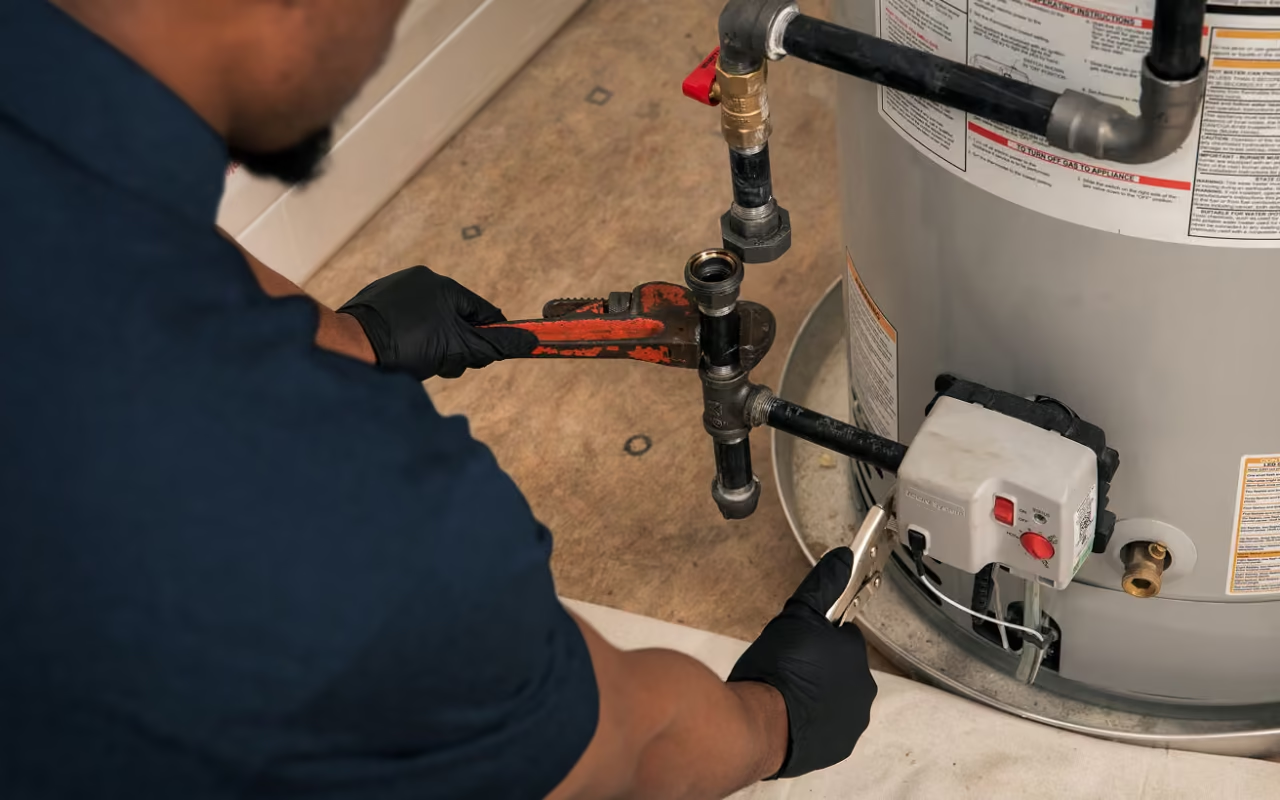
Professional gas line & gas red tag services can help assess gas piping, identify safety concerns, and address equipment that has been tagged because it may be unsafe to operate. The appropriate work depends on the specific fault and local requirements. In some cases, a connection needs repair; in others, an appliance or section of piping may require replacement and inspection before being returned to service.
If a technician issues a red tag, ask for a clear explanation of the problem and the steps required to resolve it. Don’t try to bypass the warning or restart equipment that has been identified as unsafe. Getting the system checked properly is far more important than restoring convenience a few hours sooner.
Keep Drains Moving Before a Blockage Takes Over
Drains handle a surprising amount of daily use. Kitchen sinks carry away soapy water and food residue, bathroom drains collect hair and soap, and toilets manage waste that must travel through the drainage system without obstruction.
Over time, grease, mineral deposits, hair, and unsuitable materials can restrict water flow. A sink that drains slowly may not seem urgent, but repeated blockages suggest that something more than a one-off clog could be happening. If several fixtures become slow at once or wastewater backs up into a shower or bathtub, the problem may involve a shared drain or the main sewer line.
Simple habits can reduce the risk. Use strainers where appropriate, dispose of cooking grease in the rubbish, and avoid flushing wipes or other materials that aren’t suitable for your plumbing. Be cautious with chemical drain cleaners, especially if you’ve already used another product. Mixing chemicals can create dangerous reactions, and some products may damage certain pipes.
Professional drain cleaning & fixture upgrades may be useful when blockages keep returning or older fixtures no longer perform well. A plumber can assess the cause, clear the obstruction using an appropriate method, and recommend fixture improvements when they offer a genuine benefit. The aim is to solve the problem rather than repeatedly treat the same symptom.
Don’t Overlook the Water Heater
A water heater often works quietly for years, so it’s easy to forget that it needs attention. Then the hot water runs out halfway through a shower, or the unit begins making unfamiliar noises. Suddenly, the appliance is at the top of the household’s to-do list.
Inconsistent temperatures, leaks around the tank, rusty-looking hot water, or unusual sounds can indicate a developing issue. The cause might be sediment buildup, a worn component, corrosion, or a problem with the heating system. A professional inspection can help determine whether servicing, repair, or replacement is appropriate.
It’s worth considering the age and condition of the unit rather than automatically choosing the most expensive replacement. A repair may be sensible for equipment that’s otherwise in good shape. On the other hand, repeated breakdowns and rising repair costs may make a new, appropriately sized system a better long-term investment.
Know How to Respond When a Leak Happens
Even a well-maintained plumbing system can fail unexpectedly. A flexible hose can split, a fitting can loosen, or a pipe can crack. When water begins spreading through a room, knowing what to do can limit the damage.
If it’s safe, shut off the supply to the affected fixture or use the main water shutoff valve. Move belongings away from the leak and keep clear of standing water near electrical equipment. If water is reaching wiring or outlets, don’t enter the affected area; seek appropriate professional assistance.
A major leak or sewage backup may require urgent help. When contacting a plumber, describe where the water is coming from, how quickly it’s spreading, and whether the supply has been shut off. Clear information can help the professional prepare for the job.
After the immediate problem is controlled, ask what caused it. Repairing the visible leak is important, but understanding why it happened can help prevent a similar failure elsewhere.
Choose Plumbing Help With Care
When comparing plumbers, look for appropriate licensing, insurance, relevant experience, and clear communication. Ask for an estimate that explains the proposed work, materials, and any likely additional charges. For larger projects, find out whether permits or inspections are required and whether the work carries a warranty.
A trustworthy professional should explain the problem in plain language and discuss reasonable options without pressuring you into unnecessary replacements. It’s fine to compare prices, but the lowest quote isn’t always the best value if the work is incomplete or poorly suited to the problem.
A Little Attention Makes a Real Difference
A comfortable home depends on plumbing that can handle ordinary routines and unexpected demands. Healthy pipes, safe gas connections, clear drains, and a properly functioning water heater all contribute to that reliability.
You don’t need to become an expert to look after your system. Notice changes, avoid habits that cause preventable blockages, and seek professional advice when warning signs persist. With sensible maintenance and timely repairs, you can protect your property, reduce avoidable disruption, and keep everyday life moving without giving your plumbing more attention than it needs.