Most businesses depend on equipment that needs water to operate, whether it’s a restaurant dishwasher, a hotel boiler, a cooling system, a coffee machine, or machinery used in manufacturing. When water quality is overlooked, small problems can quietly turn into expensive repairs. Mineral deposits, sediment, corrosion, and unwanted chemicals can gradually affect performance, sometimes without anyone noticing until a machine starts behaving differently.
Water treatment isn’t always the first thing business owners think about when planning maintenance. Yet it can be one of the most practical ways to protect equipment, improve operational consistency, and avoid unnecessary interruptions.
Why Water Quality Matters for Commercial Equipment
Water is rarely just water when it comes to commercial operations. Depending on its source, it may contain calcium, magnesium, iron, sediment, chlorine, dissolved salts, and other substances. Some are harmless at typical concentrations, while others may create problems for specific applications.
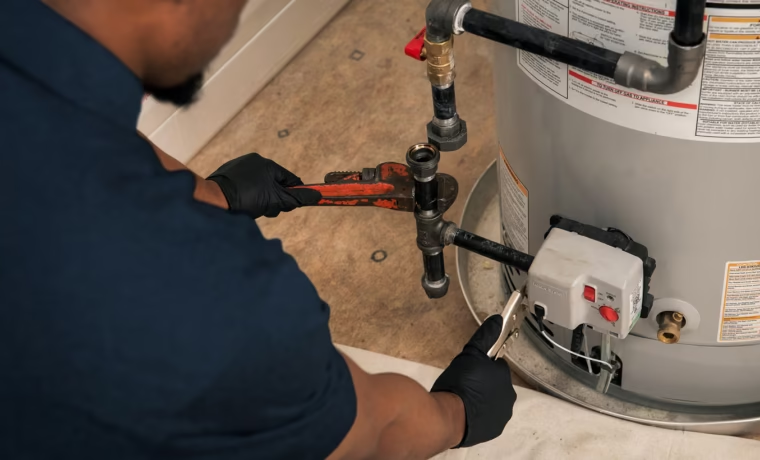
Hard water, in particular, is a common issue. When heated, hardness minerals can form scale inside pipes, boilers, water heaters, and commercial appliances. As deposits accumulate, heat transfer may become less efficient, water flow can be restricted, and equipment may require more frequent cleaning.
For a business operating throughout the day, these problems can become frustrating. A restaurant can’t afford constant dishwasher maintenance during a busy lunch service, and a hotel doesn’t want guests complaining about inconsistent showers or water temperature. Preventing these issues where possible is simply good operational planning.
Understanding Commercial Equipment Water Treatment
The treatment method should always depend on the equipment and the water entering the facility. A filtration system that works well for drinking water may not be suitable for a boiler or a manufacturing process.
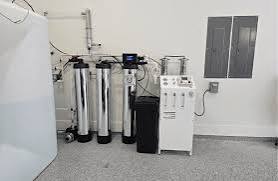
Proper commercial equipment water treatment can help reduce water-related problems by addressing hardness, suspended particles, certain dissolved substances, and other quality concerns. Sediment filters may protect equipment from dirt and rust particles, carbon filtration may reduce chlorine and improve taste, and softeners can help control hardness-related scale.
Some applications require more advanced technologies, including reverse osmosis or deionization. These methods are useful when the dissolved mineral content needs to be reduced significantly or when a particular process demands water with specific purity characteristics.
Before selecting equipment, businesses should understand their water quality, daily consumption, operating conditions, and the requirements of the machinery being protected.
Choosing Systems That Fit Your Business Needs
Commercial water treatment isn’t a one-size-fits-all investment. A small café, a large hotel, a medical facility, and an industrial workshop all have different water requirements. Even businesses operating in the same industry may use different equipment or have different levels of water consumption.
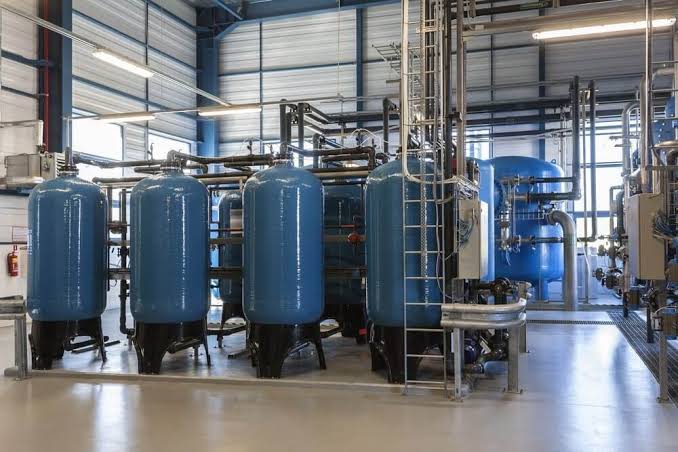
Well-designed water treatment systems for businesses should account for peak demand, flow rates, water pressure, treatment capacity, available space, and maintenance requirements. A system that’s undersized may struggle during busy periods, while an oversized installation could increase costs without delivering meaningful benefits.
It’s also worth considering how the business might grow. If a facility plans to expand, add equipment, or increase production, the water treatment setup should ideally be capable of accommodating those changes without requiring a complete replacement.
The Value of a Customized Treatment Approach
Sometimes a basic filter or softener is enough. In other situations, multiple treatment stages are needed to address different water quality issues. The challenge is knowing what actually makes sense.
A custom commercial water treatment design begins with understanding the business rather than immediately recommending products. Water testing, equipment specifications, plumbing layout, consumption patterns, and operational goals all help determine the appropriate treatment arrangement.
For example, a restaurant may benefit from softening water for dishwashing equipment and carbon filtration for drinking water. A manufacturing facility may need pretreatment followed by reverse osmosis to meet specific process requirements. Meanwhile, a hotel could require whole-building treatment to manage hardness while maintaining a separate drinking water filtration system.
Customized solutions aren’t necessarily more complicated. Often, they’re more efficient because every component has a clear purpose.
Maintenance Is Just as Important as Installation
Even the best treatment equipment won’t perform consistently without regular maintenance. Filters become saturated, membranes gradually lose efficiency, softeners require replenishment, and control systems need occasional inspection.
Businesses should establish a practical maintenance schedule based on manufacturer recommendations and actual operating conditions. Keeping track of filter replacement dates, service visits, pressure readings, and water quality checks can prevent many avoidable issues.
Staff should also know what to watch for. Changes in water taste, unusual odors, reduced pressure, or unexpected scale buildup may indicate that something needs attention. These signs shouldn’t be ignored simply because the equipment is still running.
Protecting Your Investment Over Time
Commercial equipment represents a substantial investment, and protecting it requires more than occasional repairs. Water quality is an important part of the bigger picture, especially in facilities where machines operate continuously or depend on consistent water conditions.
Choosing the right treatment system can help reduce scale-related problems, support equipment efficiency, and make maintenance more manageable. The best approach is to test the water, understand the needs of your equipment, and select a treatment solution that fits your operation.
Reliable water treatment isn’t about adding technology for the sake of it. It’s about keeping your business running, reducing avoidable headaches, and making sure the equipment you rely on every day continues to do its job.