Most of us have our own little routines when it comes to drinking water. Some keep a filter pitcher in the refrigerator, while others regularly bring home cases of bottled water. Then there are households that simply aren’t satisfied with the taste of water straight from the tap.
Whatever the situation, finding a dependable source of pleasant-tasting drinking water shouldn’t be unnecessarily complicated.
Many homeowners turn to reverse osmosis water filter systems because these units can reduce a variety of dissolved substances that ordinary sediment or carbon filters may not effectively address.
Still, purchasing a filtration system deserves some thought. Understanding what happens inside the equipment, how different models compare, and what maintenance involves can help you make a decision you’ll appreciate long after installation.
What Makes Reverse Osmosis Different From Ordinary Filtration?
A basic water filter might capture visible particles or reduce certain unpleasant tastes and odors. Reverse osmosis takes treatment a step further.
The technology uses pressure to move water through a semipermeable membrane that rejects many dissolved substances while allowing water molecules to pass through.
This process can reduce various dissolved salts and certain contaminants, depending on the equipment’s design and verified performance.
Unlike simple filtration, reverse osmosis produces two separate water streams. One contains treated water for household consumption, while the other carries rejected substances toward the drain.
It’s a more involved process, certainly, but one that can be particularly useful when ordinary filtration doesn’t address a household’s specific water quality concerns.
Why Several Filtration Stages Work Better Together
A reverse osmosis unit typically contains more than a single treatment component. Different stages perform separate tasks, helping protect equipment and improve overall treatment performance.
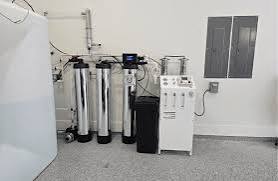
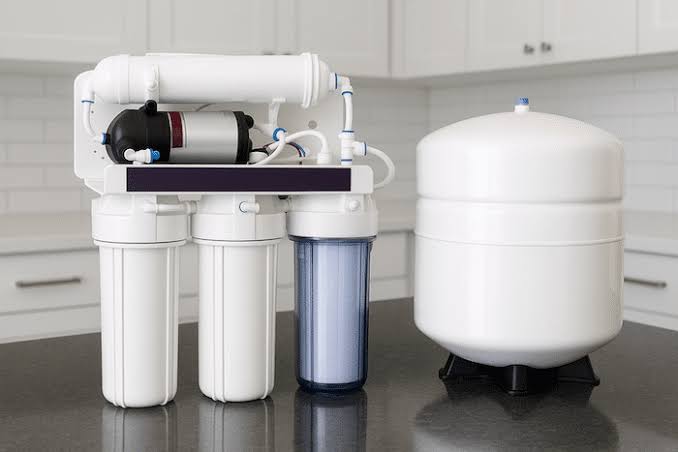
Systems incorporating multi-stage membranes and filters may combine sediment removal, activated carbon treatment, membrane separation, and final polishing to address different aspects of water quality.
A sediment filter captures suspended particles that could otherwise interfere with downstream components.
Carbon filters can reduce chlorine and certain organic substances, depending on their design. The reverse osmosis membrane then handles much of the dissolved substance reduction.
Some equipment includes an additional carbon filter to improve taste before the water reaches your drinking faucet.
However, don’t assume that a system with seven stages is automatically superior to one with five. Verified contaminant reduction performance matters far more than an impressive number printed on the packaging.
Finding a Filtration System That Fits Your Kitchen
Not every homeowner has the same amount of available space, water consumption, or installation flexibility.
When comparing reverse osmosis filtration options, consider whether a traditional storage-tank model, a tankless design, or a countertop unit would work best within your household.
Under-sink systems are popular because they keep equipment hidden while providing convenient access to treated drinking water.
Tank-based models store treated water for later consumption. Tankless equipment generally produces water on demand and may require electrical power.
Countertop models can be worth exploring when permanent plumbing modifications aren’t practical.
Before purchasing anything, take a realistic look at your available space. Kitchen cabinets often contain considerably more belongings than we remember.
Consider filter accessibility, incoming water pressure, drainage connections, and installation requirements alongside the equipment’s advertised features.
Understanding Your Water Before Investing in Treatment
One of the biggest mistakes homeowners make is purchasing filtration equipment without knowing what they’re trying to remove.
A slightly unpleasant taste might be related to disinfectants, dissolved minerals, or household plumbing. More serious contamination concerns cannot necessarily be identified through taste or appearance.
Municipal water customers can review their utility’s drinking water quality reports, while appropriate laboratory testing can help investigate property-specific concerns.
Private well owners should pay particular attention to regular water testing.
Once you understand your water conditions, look for equipment independently certified to reduce the substances you’re concerned about.
Reverse osmosis can be an excellent treatment method, but it isn’t always necessary. In some households, a suitable carbon filter may address the primary concern at a considerably lower cost.
The Everyday Convenience of Filtered Drinking Water
Imagine preparing your morning coffee, filling the children’s water bottles, and cooking dinner without constantly reaching for bottled water.
Having treated water available directly from a dedicated faucet can simplify these ordinary activities.
Some people also prefer the taste of reverse osmosis water because it contains fewer dissolved minerals. Others find the taste slightly flat and prefer equipment that includes a remineralization stage.
Personal preference plays a surprisingly important role here.
It’s also worth considering wastewater production. Reverse osmosis uses additional water during treatment, although efficiency varies between systems.
Comparing water consumption alongside purchase and maintenance expenses provides a more realistic picture of long-term ownership.
Keeping Your Reverse Osmosis Equipment Performing Reliably
Even a well-designed filtration system requires regular attention.
Sediment and carbon filters eventually need replacement, while the membrane requires servicing according to manufacturer recommendations.
Neglecting these responsibilities can reduce treatment effectiveness and potentially affect water flow.
Keep a simple maintenance record and arrange appropriate system sanitation when necessary. Periodic testing is particularly valuable when equipment is installed to address specific health-related contaminants.
Remember that ordinary residential reverse osmosis equipment shouldn’t automatically be relied upon to make microbiologically unsafe water drinkable. Additional treatment may be necessary.
A Thoughtful Investment in Everyday Water Quality
Better drinking water doesn’t have to involve complicated equipment or unnecessary expenses.
Understand your water supply, compare suitable technologies, and choose a system that offers verified performance without creating an inconvenient maintenance routine.
The right filtration equipment should quietly support your household’s needs.
And sometimes, the greatest benefit is something wonderfully simple: enjoying a refreshing glass of water whenever you want one, without another trip to the grocery store.